

Executive Overview
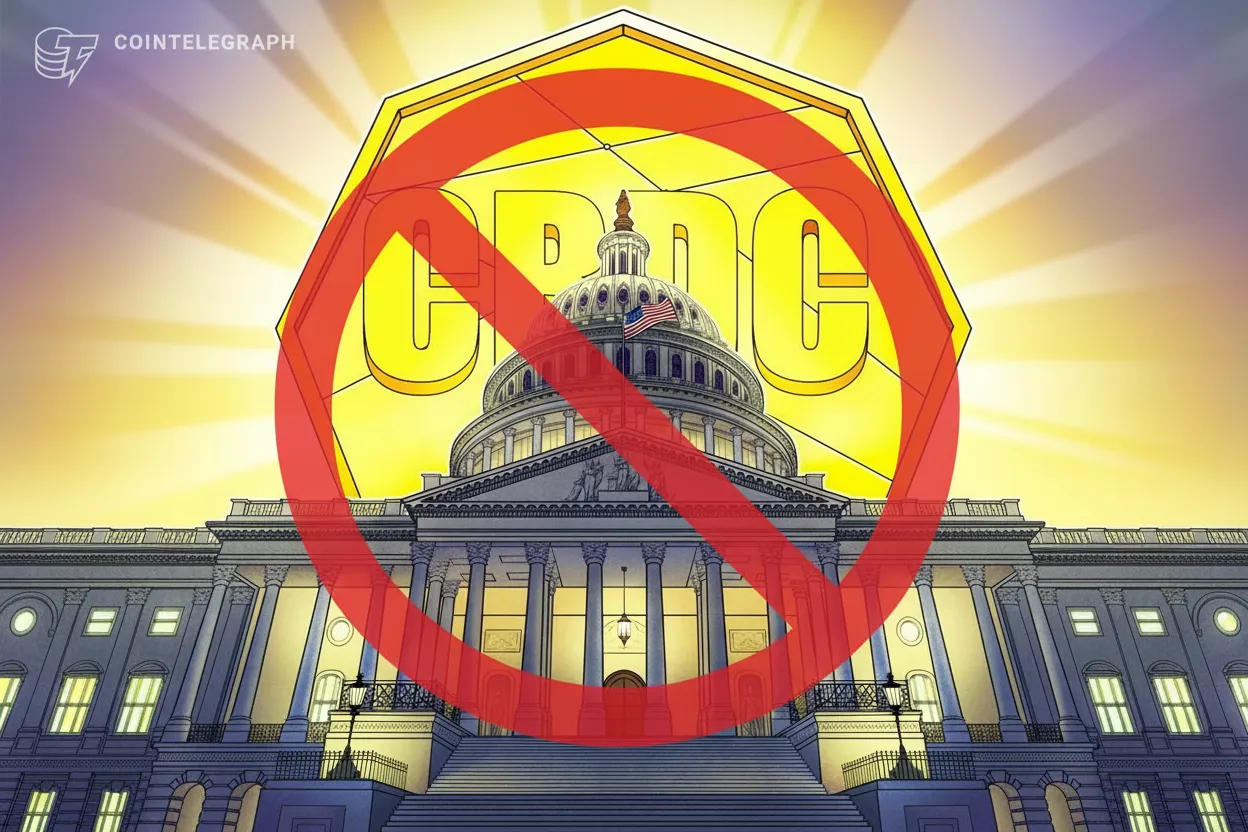
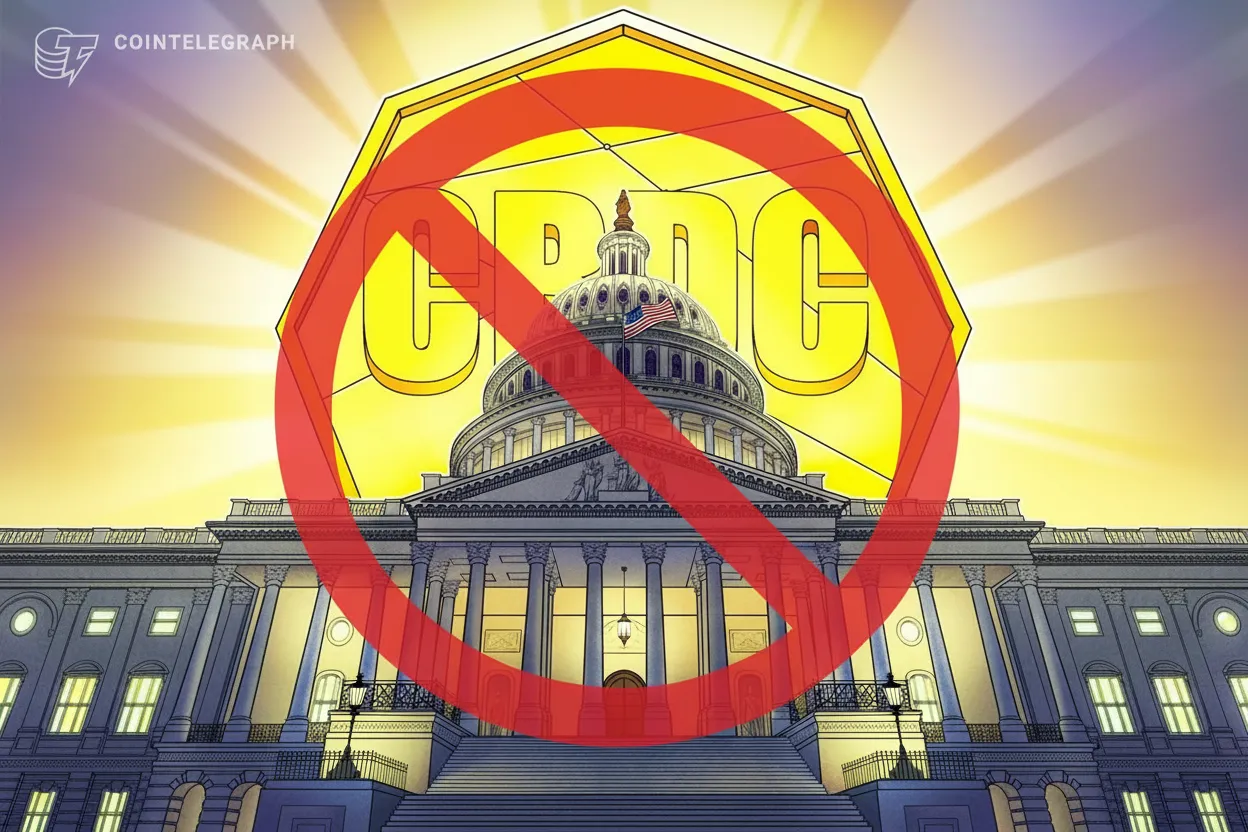
At the center of this legislative milestone is a contentious, high-profile rider: a statutory ban prohibiting the Federal Reserve from issuing, developing, or facilitating a central bank digital currency (CBDC), or any digital asset deemed "substantially similar," through at least December 31, 2030. While analysts widely view the CBDC prohibition as a calculated political concession engineered to secure crucial Republican buy-in for the broader housing reform package, the bill’s path to enactment has been anything but conventional.
President Trump abruptly canceled a planned White House signing ceremony on June 24 and later took to social media to denounce the legislation. Dismissing the congressional Republicans who voted for the bill as "dumb," Trump urged the Senate to pivot its attention entirely toward the controversial SAVE America Act, a measure designed to mandate in-person proof of U.S. citizenship for federal voter registration.
Despite the administration’s vocal opposition, the legislative architecture of the U.S. Constitution has allowed the bill to advance. Co-sponsored by a diverse coalition, including progressive stalwart Senator Elizabeth Warren, the housing package represents the most significant legislative overhaul of the American housing market in three decades. However, Trump’s refusal to sign the bill has injected immediate uncertainty into Washington, raising urgent questions about the fate of other critical legislative initiatives—most notably, the forthcoming Digital Asset Market Clarity (CLARITY) Act—and signaling potential friction between the executive branch and lawmakers over the future of U.S. financial technology and digital asset regulation.
Detailed Chronology: From Bipartisan Compromise to Executive Silence
The journey of the 21st Century ROAD to Housing Act reflects the complex, often volatile dynamics of contemporary American policymaking. Crafted over months of intense negotiations between lawmakers on both sides of the aisle, the package was designed to tackle the nation’s compounding housing affordability crisis by injecting billions into residential construction, streamlining zoning restrictions, and overhauling federal housing programs.
June 2026: Congressional Passage and Strategic Concessions
Throughout early June, leadership in both the House of Representatives and the Senate worked to forge a consensus. To secure the necessary conservative votes in a deeply fractured Congress, architects of the bill integrated several key provisions favored by fiscal conservatives and financial privacy advocates. Among the most prominent was the language explicitly barring the Federal Reserve from deploying a digital dollar.
By mid-June, the compromises bore fruit: the bill successfully cleared both chambers with robust bipartisan majorities, setting the stage for an anticipated presidential signing ceremony.
June 24: The Sudden White House Reversal
Momentum stalled abruptly on June 24 when the White House announced the cancellation of the high-profile signing ceremony. No immediate technical or substantive rationale was provided by administration officials at the time, leaving lobbyists, lawmakers, and industry observers scrambling to assess the political fallout. The bill was officially delivered to the Oval Office, initiating the constitutionally mandated 10-day review clock (excluding Sundays).
Early July: The Deadline Approaches and Social Media Outcry
As the 10-day window drew to a close, President Trump broke his silence via a Friday statement on Truth Social. Rather than addressing the substantive merits of the housing reforms or the embedded CBDC ban, the president directed sharp criticisms at members of his own party who supported the legislation, labeling them "dumb."
Furthermore, Trump demanded that Senate leadership abandon their current legislative queue and immediately prioritize the SAVE America Act. Despite the public rebuke and the withholding of an official signature, Article I, Section 7 of the U.S. Constitution dictates that any bill remaining unsigned by the president for 10 days while Congress is in session automatically becomes law.
Supporting Context & Metrics: The CBDC Ban and the Housing Crisis
The CBDC Prohibition: Mechanics and Implications
The inclusion of the CBDC ban within a housing and urban development bill underscores how digital asset policy has become intertwined with broader legislative vehicles. Under the newly enacted statute, the Federal Reserve is legally barred from:
- Issuing a central bank digital currency directly to retail consumers or wholesale institutional markets.
- Developing intermediary frameworks or pilot programs for a digital dollar.
- Launching any "digital asset that is substantially similar" in design, function, or governance to a CBDC.
This moratorium remains in effect until December 31, 2030. Financial privacy advocates and libertarian-leaning lawmakers have hailed the ban as a critical safeguard against federal overreach and potential financial surveillance. Conversely, institutional traditionalists and central banking officials have cautioned that the restriction risks ceding technological leadership in international payment systems to foreign competitors, particularly nations like China that have aggressively advanced their own sovereign digital currencies.
The 30-Year Housing Overhaul
Beyond the digital currency debate, the core of the legislation represents a monumental shift in federal housing policy. Economic indicators underscore the urgency that drove lawmakers to pass the bill:
- Affordability Pressures: Over the past decade, median home prices across the United States have outpaced wage growth by nearly 300% in major metropolitan areas.
- Supply Deficit: Industry analysts estimate a structural deficit of millions of housing units nationwide, a gap the new law attempts to bridge through federal grants tied to local zoning reform.
- Legislative Scale: Deemed by financial historians as the most comprehensive housing legislative package since the mid-1990s, the law allocates billions toward municipal infrastructure and streamlined permitting processes.
Official Statements and Political Fallout
The unusual path of the 21st Century ROAD to Housing Act has generated intense reactions across the political spectrum, highlighting deep fractures regarding executive power, legislative autonomy, and policy priorities.
Senator Elizabeth Warren on Presidential Inaction
Senator Elizabeth Warren, a prominent co-sponsor of the housing bill, did not mince words when addressing the president’s decision to withhold his signature. Speaking via social media and public statements, Warren emphasized the substantive value of the reforms over the executive’s personal grievances:
"He’s refusing to sign the biggest housing bill in 30 years. The good news: it’s going to become law anyway."
Warren’s remarks underscored a rare moment of cross-party alignment that successfully marshaled enough votes in Congress to override executive reluctance by sheer constitutional persistence.
The Pivot to the SAVE America Act
President Trump’s refusal to endorse the housing package was explicitly tied to his demand for legislative action on the SAVE America Act. The controversial bill seeks to radically overhaul federal election procedures by requiring individuals to present in-person proof of U.S. citizenship when registering to vote in federal elections.
While proponents argue the measure is essential for electoral integrity, civil rights organizations and voting rights advocates have launched widespread criticisms, asserting that the requirements would systematically disenfranchise millions of eligible citizens—particularly low-income, elderly, and minority voters who may lack immediate access to required documentation. By demanding that the Senate prioritize this lightning-rod issue over housing and financial technology matters, the White House has signaled a sharp recalibration of its mid-summer legislative agenda.
Future Outlook: Implications for the Digital Asset Market Clarity (CLARITY) Act
As Washington digests the fallout from the housing bill’s automatic enactment, crypto market participants and policy analysts are training their sights on the horizon to determine what this precedent means for the broader digital asset regulatory landscape.
The Fate of the CLARITY Act
Of primary concern is the Digital Asset Market Clarity (CLARITY) Act, a foundational piece of legislation designed to establish a comprehensive regulatory framework for digital assets, defining the jurisdictional boundaries between the Securities and Exchange Commission (SEC) and the Commodity Futures Trading Commission (CFTC).
The CLARITY Act has already successfully navigated the House of Representatives and cleared two crucial Senate committees. Senate leadership has previously indicated expectations for a full chamber floor vote in July, immediately following the conclusion of state work periods.
However, President Trump’s recent dismissal of the housing bill—driven by a preference for non-crypto-related electoral priorities—has introduced a new layer of unpredictability. Industry watchers are now asking whether the White House might similarly sideline or complicate the CLARITY Act if it interferes with competing executive agendas.
Executive Entanglements and Ethics Debates
Complicating the legislative outlook further are the president’s extensive personal and financial ties to the digital asset sector. Public disclosures reveal that Trump earned upwards of $1.4 billion in income from crypto ventures throughout 2025 alone. These commercial activities include licensing agreements for various memecoins and involvement in the family-backed decentralized finance platform, World Liberty Financial.
These massive financial disclosures have fueled an intense partisan debate on Capitol Hill. While crypto-friendly lawmakers argue that the president’s business involvement guarantees a sympathetic ear in the executive branch, critics and ethics watchdogs warn of severe conflicts of interest. The intersection of presidential profit-seeking and market structure legislation threatens to turn the CLARITY Act into a lightning rod for ethics debates during upcoming Senate floor deliberations.
Conclusion
The enactment of the 21st Century ROAD to Housing Act without President Trump’s signature marks a fascinating case study in American constitutional mechanics and partisan friction. By successfully anchoring a six-year ban on a U.S. Central Bank Digital Currency to a desperately needed housing reform package, lawmakers have permanently altered the financial privacy landscape. Yet, as Capitol Hill prepares for a contentious July floor debate over the CLARITY Act and the SAVE America Act, it is increasingly clear that the intersection of federal legislation, executive authority, and the burgeoning digital asset economy will remain a volatile front line in U.S. politics for the foreseeable future.