

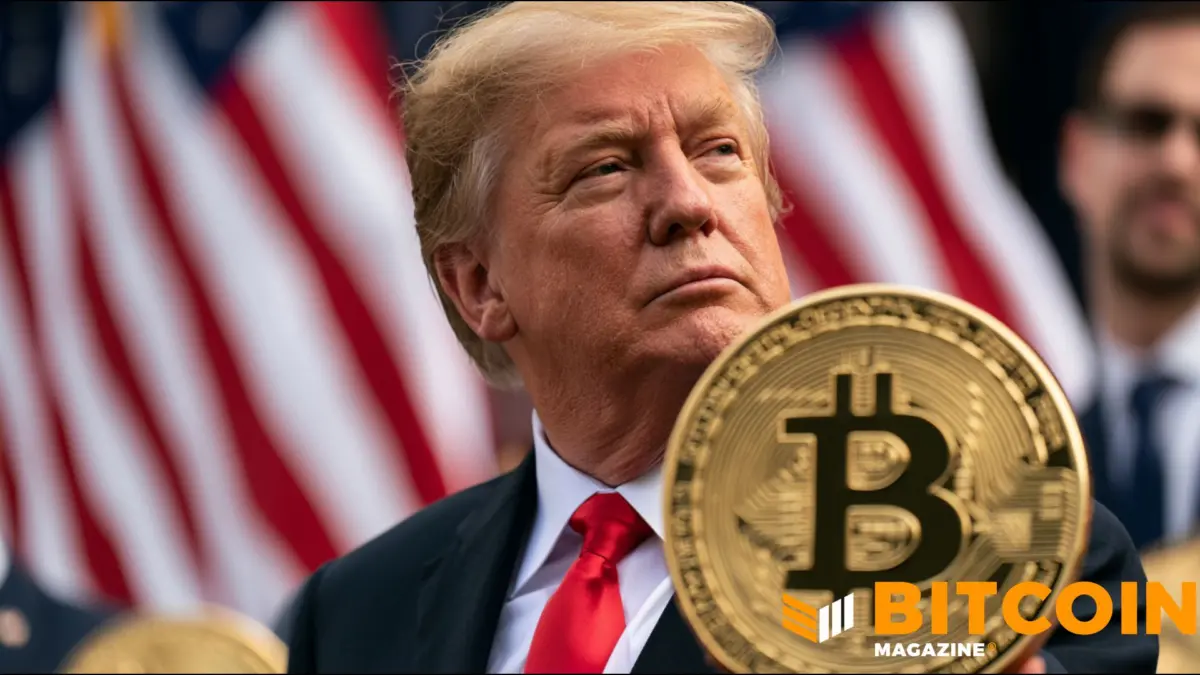
Executive Overview
The delay highlights the deep ideological divides, aggressive lobbying campaigns, and complex ethical debates currently paralyzing Capitol Hill. While the bill boasts broad bipartisan origin stories and the backing of Wall Street heavyweights like Goldman Sachs and Fidelity, its progress has been halted by a combination of partisan finger-pointing, an intense turf war between traditional banking giants and crypto exchanges, and escalating scrutiny over the Trump administration’s personal financial involvements in the digital asset sector.
As Senate Majority Leader John Thune (R-SD) confirmed that the upper chamber would adjourn without taking up the bill, the legislative pause leaves the multi-trillion-dollar digital asset industry in a familiar state of regulatory limbo. Meanwhile, the delay raises critical questions about America’s ability to establish regulatory dominance in the global digital economy, particularly as geopolitical rivals like China continue to advance their own sovereign digital currency and artificial intelligence frameworks.
Detailed Chronology
The path of the Clarity Act from a modest regulatory proposal to a sweeping, highly contested legislative behemoth reflects the rapid evolution of the digital asset industry itself.
[Late 2025] House of Representatives passes initial Clarity Act with bipartisan support.
       │
[Early 2026] Bill enters Senate; banking lobbies clash with crypto exchanges over stablecoin yields.
       │
[Mid-2026] Democrats push for expanded text, focusing on ethics and consumer protection.
       │
[July 2026] Bipartisan draft emerges, introducing strict crypto-ban rules for public officials.
       │
[Aug 2026] Senate adjourns for recess; Majority Leader Thune confirms vote delayed until September.
The House Origins (2025)
The foundational text of the Clarity Act was conceived as a narrow bill focused primarily on establishing clear definitions for payment stablecoins. Passed by the House of Representatives last year with comfortable bipartisan support, the initial draft sought to provide a safe harbor for stablecoin issuers while clarifying the jurisdictional boundaries between the Securities and Exchange Commission (SEC) and the Commodity Futures Trading Commission (CFTC).
The Senate Transformation (Early to Mid-2026)
Upon reaching the Senate, the bill underwent significant expansion. According to lawmakers close to the negotiations, including Senator Cynthia Lummis (R-WY), the text was heavily "beefed up" over the past year. This expansion was largely driven by Senate Democrats, who insisted on integrating robust consumer protection mechanisms, strict anti-money laundering (AML) compliance standards, and enhanced oversight over decentralized finance (DeFi) protocols.
The Summer Deadlock (June–July 2026)
By June 2026, the bill had stalled in a fierce legislative deadlock. The primary battleground was not purely partisan; rather, it was a proxy war waged by powerful K-Street lobbying groups. Traditional banking conglomerates, represented by powerful banking association chiefs, locked horns with major cryptocurrency exchanges and stablecoin issuers. The core of the dispute centered on "stablecoin yield"—specifically, whether non-bank stablecoin issuers should be permitted to offer interest-bearing features to retail customers, a move banks argued would disintermediate traditional savings accounts and threaten financial stability.
The July Ethics Rewrite
In July 2026, a new draft of the Clarity Act began circulating. This version introduced stringent bipartisan language explicitly prohibiting federal government officials from promoting, endorsing, or personally profiting from digital asset ventures. This clause was designed to address mounting public and congressional anxiety regarding conflicts of interest at the highest levels of government.
The August Recess Postponement
Despite intense negotiations to bring the bill to the Senate floor before the summer recess, leadership ultimately conceded defeat. On Thursday evening, Senate Majority Leader John Thune confirmed to reporters that the chamber would depart Washington without voting on the bill, placing the blame squarely on his political opponents.
"The Dems insisted on no Clarity vote," Thune stated, as first reported by POLITICO. "We’re getting that queued up first thing [when] we come back in September."
Supporting Context & Metrics
To understand the gravity of the Clarity Act’s delay, it is necessary to examine the economic and structural conflicts driving the debate.
The Stablecoin Yield Controversy
The battle over stablecoins has emerged as a multi-billion-dollar conflict between traditional finance (TradFi) and decentralized finance (DeFi). Traditional banks operate under strict fractional-reserve requirements and capital adequacy ratios. The prospect of stablecoin issuers—such as Circle (USDC) or Tether (USDT)—offering yield-bearing digital assets directly to consumers without the regulatory burdens of a commercial banking license is viewed by Wall Street as an existential threat.
| Metric / Feature | Traditional Banking Deposits | Yield-Bearing Stablecoins (Proposed) |
|---|---|---|
| Average Yield (APY) | 0.01% – 4.5% (Market Dependent) | 5.0% – 8.0%+ (DeFi/Treasury Backed) |
| Regulatory Oversight | FDIC Insured, Federal Reserve | State-level / Proposed Federal Framework |
| Settlement Speed | T+1 to T+3 Business Days | Near-Instantaneous (On-Chain) |
| Lobbying Stance | Opposed to non-bank yield issuance | Favoring open yield-generation models |
According to industry analysts, if stablecoins are legally permitted to offer yield backed by short-term U.S. Treasuries directly to retail wallets, it could trigger a massive migration of deposits away from regional banks, potentially destabilizing the domestic banking sector.
Institutional Alliances
Despite the banking lobby’s resistance, the Clarity Act has garnered surprising support from some of the world’s largest financial institutions. Goldman Sachs and Fidelity Investments have actively lobbied in favor of the bill. For these institutions, the priority is regulatory certainty. A clear federal framework would allow institutional asset managers to launch sophisticated digital asset products, clear custody hurdles, and integrate blockchain technology into mainstream settlement systems without the fear of retroactive regulatory enforcement.
Furthermore, law enforcement groups have voiced strong support for the bill’s updated anti-money laundering provisions, which would grant federal agencies clearer tools to track illicit on-chain transactions and combat state-sponsored cybercrime.
Official Statements and Political Rhetoric
The debate surrounding the Clarity Act has transcended technical regulatory policy, becoming a central flashpoint in the broader political landscape—particularly concerning the business dealings of President Donald Trump and his family.
The Trump Administration’s Stance and the Ethics Debate
President Trump, who campaigned on a aggressively pro-crypto platform, has positioned the U.S. digital asset industry as a matter of national security and economic survival. Speaking with Punchbowl News, Trump reiterated his belief that the United States must dominate the crypto space to prevent foreign adversaries from gaining a technological foothold.
"You see people paying with Bitcoin and they don’t even know about cash anymore," Trump observed, emphasizing the rapid cultural shift toward digital assets. "Crypto’s a big deal… We need to get this bill over the line because we have to take the lead over China when it comes to crypto and AI."
However, Trump’s advocacy has been overshadowed by criticism from congressional Democrats regarding his family’s direct financial ties to the crypto market. The launch of the $TRUMP memecoin and the family-backed decentralized finance project, World Liberty Financial, have drawn sharp rebukes from critics who allege a blatant conflict of interest.
Addressing these criticisms in his interview, Trump dismissed the ethics concerns as partisan obstructionism, pointing out that members of Congress frequently engage in controversial financial activities themselves.
"They want a bill, and in the bill they want me to be different to everyone else," Trump argued, pointing to the widespread practice of stock trading among lawmakers.
The White House has consistently maintained that all presidential business ventures comply with existing ethical standards and that no conflict of interest exists.
The Progressive Opposition
On the other side of the aisle, progressives led by Senator Elizabeth Warren (D-MA) remain highly skeptical of the legislation. Warren, a long-time critic of the digital asset industry, has argued that the current iteration of the Clarity Act does not go far enough to protect consumers or prevent systemic financial risks.
"The proposed legislation is a giveaway to the crypto lobby. It fails to establish the necessary guardrails to protect everyday investors, and worse, it contains loopholes that could directly benefit the business ventures of the President and his immediate family."
— Senator Elizabeth Warren (D-MA)
Warren and her allies contend that the bipartisan ethics language introduced in July is insufficient and demand more rigorous disclosure requirements and enforcement mechanisms before allowing the bill to proceed to a vote.
Future Outlook: September and Beyond
When Congress returns from its August recess, the Clarity Act will face a highly compressed and politically charged legislative window. With the fall elections looming, the debate over digital asset regulation will likely be amplified by campaign-trail rhetoric.
Key Legislative Hurdles in September:
- The Ethics Compromise: Lawmakers must finalize the language governing the financial holdings of public officials. Whether Republicans will accept the strict provisions demanded by Democrats—and whether those provisions will directly impact the Trump family’s active projects—remains a critical sticking point.
- The Stablecoin Compromise: Senate negotiators will need to broker a truce between the banking lobby and crypto advocates. A potential compromise could involve restricting yield-bearing stablecoins to fully chartered banking institutions, or creating a new category of "limited-purpose banking charters" for crypto firms.
- The Geopolitical Narrative: Proponents of the bill will continue to leverage the "China threat" to build urgency. Advocates argue that failing to pass the Clarity Act this year will cede control of the global digital payments infrastructure to the digital yuan (e-CNY) and European regulatory frameworks like MiCA (Markets in Crypto-Assets).
If Congress fails to pass the Clarity Act before the end of the legislative session, the U.S. digital asset market will continue to operate under a patchwork of state-level regulations and federal enforcement actions. This ongoing uncertainty could prompt domestic crypto firms to relocate their operations to more accommodating jurisdictions, such as Switzerland, Singapore, or the United Kingdom.
Conversely, a successful vote in September would mark a historic milestone, signaling the beginning of a mature, federally regulated era for digital assets in the United States. Until then, the industry, Wall Street, and Washington can only wait.