

Executive Overview
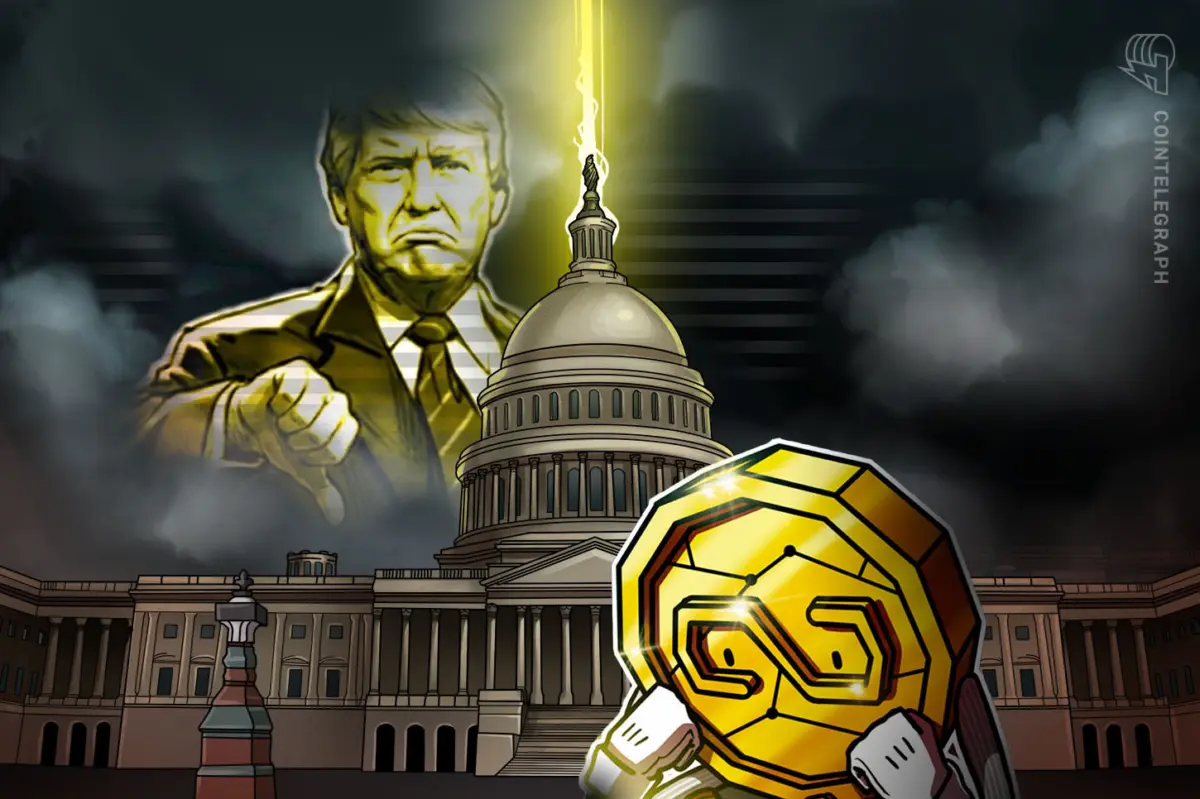
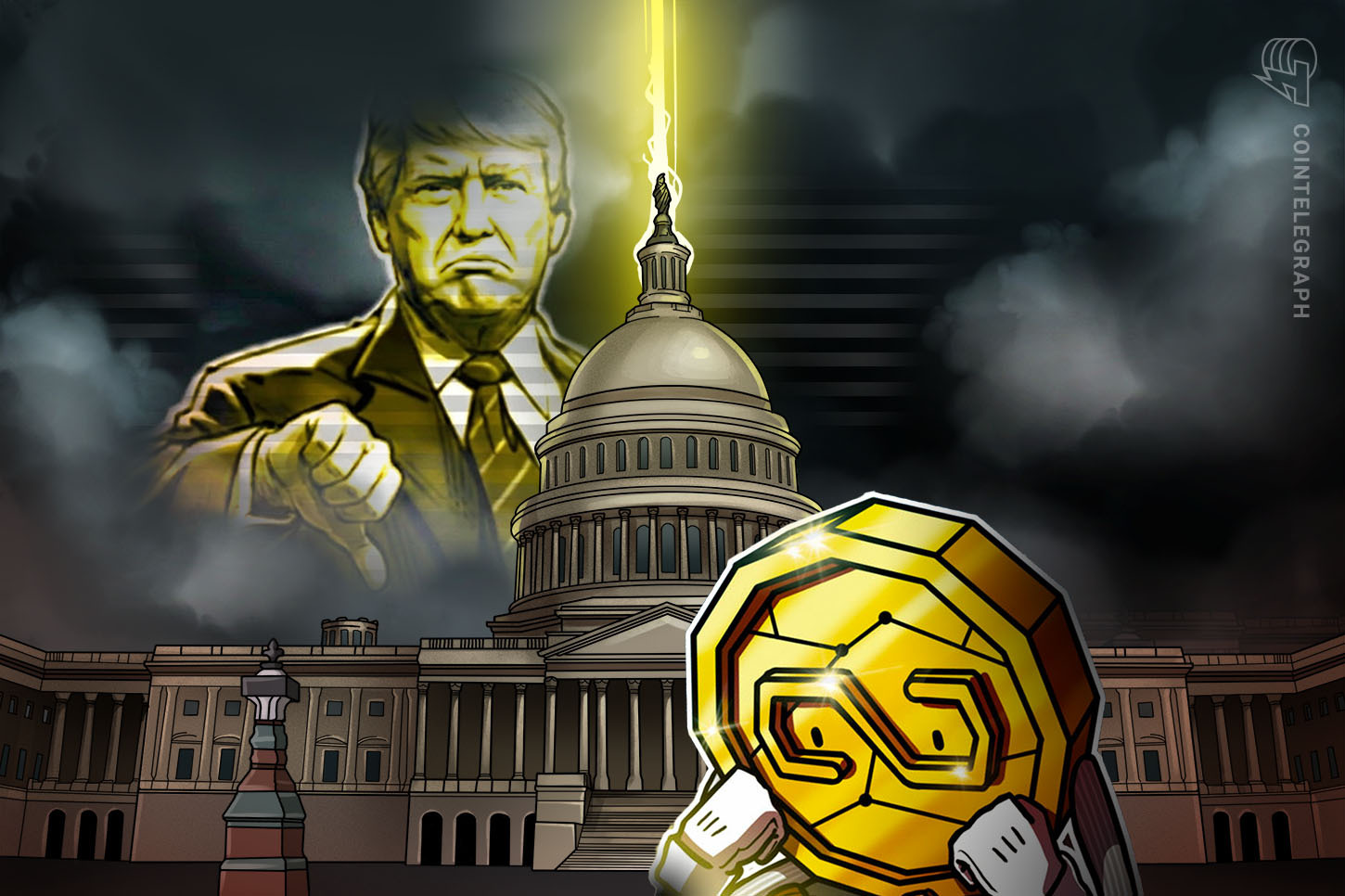
Rather than cementing the housing affordability and cryptocurrency regulatory package into law, the administration has pivoted toward a strategy of absolute legislative obstruction. Announcing his decision via a Wednesday morning post on Truth Social, President Trump declared that all presidential pen strokes are on hold until congressional Republicans successfully advance and pass the deeply polarizing SAVE America Act.
This high-stakes maneuver has sent shockwaves through Washington, stunning lawmakers on both sides of the aisle. While the housing bill enjoyed rare, harmonious bipartisan backing—uniting figures as ideologically disparate as Senate Banking Committee Chairman Tim Scott and progressive stalwart Senator Elizabeth Warren—it has now become collateral damage in an escalating battle over federal voting requirements.
Furthermore, the sudden freeze casts a long, uncertain shadow over the broader digital asset landscape. With the fate of the ROAD to Housing Act hanging in the balance, market participants and digital asset advocates are left anxiously questioning whether other foundational crypto-related measures, such as the eagerly awaited Digital Asset Market Clarity (CLARITY) Act, will face similar presidential roadblocks. As the White House digs in its heels, a collision course between executive demands and legislative priorities threatens to stall critical economic and financial policy reforms for the foreseeable future.
Detailed Chronology: From Bipartisan Triumph to Executive Standoff
To fully grasp the magnitude of the current political impasse, one must examine the rapid sequence of events that transformed a celebrated legislative victory into a frozen executive standoff.
- Monday: Demonstrating an extraordinarily rare display of cross-aisle cooperation, the United States Senate overwhelmingly passed the 21st Century ROAD to Housing Act. The final vote tally was a resounding 85–5, signaling broad consensus on the necessity of tackling national housing affordability while incorporating targeted financial guardrails.
- Tuesday: Following the Senate’s decisive action, the House of Representatives swiftly took up the measure, passing the comprehensive housing bill without major incident. Contained within its expansive text was a specific, highly coveted provision barring the U.S. Federal Reserve from issuing, creating, or authorizing a CBDC—or any substantially similar digital asset—until December 31, 2030.
- Wednesday Morning (Pre-Announcement): Anticipation reached its peak as political analysts, housing advocates, and crypto industry stakeholders prepared for an uneventful signing ceremony. Prominent lawmakers, including Senate Banking Committee Chairman Tim Scott and co-sponsor Senator Elizabeth Warren, publicly lauded the achievement, celebrating the rare moment of legislative synergy.
- Wednesday Morning (The Announcement): Any illusion of an immediate presidential sign-off was shattered when President Trump took to Truth Social. In a blunt statement, he canceled the scheduled ceremony, writing that the enactment of the ROAD to Housing Act would be delayed "until such time as we pass the desperately needed SAVE America Act."
- The Aftermath and Ongoing Uncertainty: The announcement instantly scrambled legislative schedules and political calculations on Capitol Hill. With the executive branch effectively holding the housing and CBDC legislation hostage, congressional leadership is left scrambling to determine whether they can muster the political capital to satisfy the president’s demands or whether they will be forced into a prolonged institutional standoff.
Supporting Context & Metrics: Decoding the Legislation and the Standoff
Understanding the friction points of this political drama requires a closer look at the two distinct legislative pillars driving the conflict: the 21st Century ROAD to Housing Act and the SAVE America Act.
The 21st Century ROAD to Housing Act and the CBDC Ban
Designed primarily to address chronic housing supply shortages, affordability crises, and modernization within the real estate sector, the ROAD to Housing Act quickly expanded during committee negotiations to encompass broader macroeconomic defenses. Most notably for the digital asset community, the final text included a strict moratorium preventing the U.S. Central Bank from laying the groundwork for a digital dollar through 2030.
However, the legislation was carefully crafted to avoid total suppression of private-sector financial innovation. It notably carved out explicit protections for stablecoins, legalizing and safeguarding the operational runway for "dollar-denominated currency that is open, permissionless, and private." This compromise was a primary driver behind the massive 85–5 Senate supermajority, as it appeased both traditional market participants and decentralized finance advocates.
The SAVE America Act: The White House’s Line in the Sand
The linchpin of President Trump’s current refusal to sign legislation is the SAVE America Act (Safeguarding American Voter Eligibility Act). The proposed measure introduces stringent new federal mandates for voter registration, chief among them the requirement that individuals provide documentary proof of U.S. citizenship in person when registering to vote in federal elections.
Supporters of the bill argue that the measure is vital for safeguarding electoral integrity and ensuring that non-citizens do not participate in democratic processes. Conversely, critics and Democratic lawmakers vehemently oppose the bill, arguing that the in-person documentation mandate introduces unnecessary administrative hurdles that will intentionally or unintentionally disenfranchise millions of legally eligible voters, particularly low-income, elderly, and rural citizens who may face mobility or documentation challenges.
President Trump initially signaled his unwavering stance on this matter back in March, publicly declaring that he would "not sign other bills" crossing his desk until the SAVE America Act was brought to his desk and enacted. By freezing the housing and CBDC bill, the president has operationalized that threat, proving that his electoral reform agenda supersedes all other legislative achievements, regardless of how popular or bipartisan they may be.
Official Statements and Reactions from Capitol Hill
The abrupt cancellation of the signing ceremony provoked immediate, impassioned reactions from key political stakeholders across the political spectrum. The stark contrast between legislative elation and executive obstruction has highlighted deep fractures within Washington’s power dynamics.
Senate Banking Committee Chairman Tim Scott, a key Republican architect behind the housing bill’s financial provisions, had expressed enthusiastic support for the legislation as late as Wednesday morning, completely unaware of the impending presidential roadblock. His office, alongside numerous Republican colleagues who voted in favor of the package, is now caught in the crossfire of trying to balance loyalty to the executive’s broader agenda with their constituents’ demands for housing reform.
Across the aisle, progressive lawmakers who championed the bill’s housing affordability measures expressed utter dismay. Democratic Senator Elizabeth Warren, a co-sponsor of the legislation who rarely finds common ground with the current administration on financial matters, voiced her frustration over the procedural hijack.
"I don’t say this often these days, but Congress actually passed something good," Senator Warren remarked prior to the cancellation, pointing to the collaborative effort required to build a bipartisan coalition. Following the veto threat, critics from the Democratic caucus pointed out the irony of shelving a widely supported housing bill—meant to aid everyday Americans—over a partisan voting rights dispute.
Meanwhile, representatives from the digital asset sector have expressed cautious concern. While the inclusion of the CBDC ban and the stablecoin carve-out was heralded as a major victory for financial privacy and decentralized sovereignty, the delay leaves this regulatory defense mechanism stranded in legislative limbo.
Future Outlook: Implications for Crypto Market Structure and Legislative Dynamics
The overarching question facing financial markets and political observers alike is whether President Trump’s rigid stance will bleed into other critical financial and cryptocurrency legislation currently winding its way through Congress.
The Fate of the CLARITY Act and Digital Asset Regulations
As of Wednesday, the U.S. Senate remains in a holding pattern regarding the potential floor vote for the Digital Asset Market Clarity (CLARITY) Act. This monumental piece of legislation is designed to overhaul regulatory jurisdiction, clearly delineating the oversight roles of the Securities and Exchange Commission (SEC) and the Commodity Futures Trading Commission (CFTC) regarding digital assets.
President Trump stated in May that he intends to codify a "future-proof digital asset market structure," a sentiment widely interpreted as an endorsement of the CLARITY Act’s core objectives. However, if the president’s "SAVE America Act or nothing" ultimatum remains absolute, even vital crypto-structural reforms could find themselves indefinitely delayed on his desk, regardless of how they fare in the House or Senate.
Potential Congressional Overrides and Institutional Stand-offs
Constitutional mechanics provide a potential, though difficult, path forward should the executive branch continue its blockade. Under Article I, Section 7 of the U.S. Constitution, Congress holds the power to override a presidential veto, requiring a two-thirds supermajority vote in both the Senate and the House of Representatives.
Given that the ROAD to Housing Act passed the Senate by an 85–5 margin—well above the two-thirds threshold required—lawmakers theoretically possess the numbers to enact the legislation into law without the president’s signature, provided the bill is formally vetoed rather than merely delayed. However, overriding a sitting president of one’s own party or initiating a direct legislative confrontation carries immense political risk, making direct negotiation and backroom horse-trading the far more likely path forward.
As the political stalemate persists, the intersection of federal housing policy, electoral reform, and cryptocurrency regulation remains fraught with tension. For now, the crypto industry and American homebuyers must wait as Washington navigates a high-stakes game of legislative chicken where no bill is safe until the voting reform battle is decisively settled.