
Executive Overview
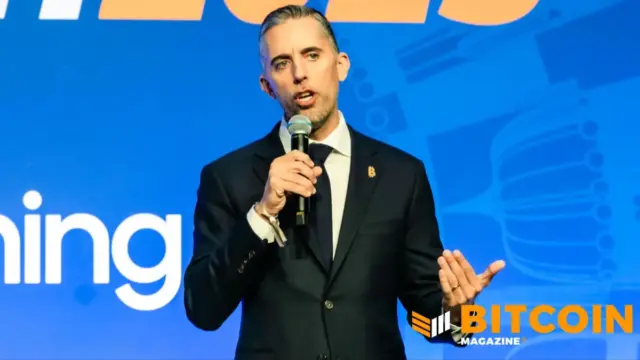
This dramatic pivot is not merely a domestic regulatory update; it is a calculated geopolitical and macroeconomic strategy. Facing persistent foreign exchange pressures and seeking to modernize its financial infrastructure, Islamabad has rolled out a regulatory red carpet for foreign web3, blockchain, and cryptocurrency enterprises. Led by Bilal Bin Saqib, the Special Assistant to the Prime Minister on Blockchain and Cryptocurrency and Chairman of PVARA, the initiative seeks to position Pakistan as a leading digital asset hub in Asia.
The regulatory launch represents the culmination of a multi-year transition. What began as a strict ban enacted by the State Bank of Pakistan (SBP) has evolved into an aggressive state-backed embrace. This strategy includes plans for a national strategic Bitcoin reserve, the allocation of thousands of megawatts of surplus electricity to digital mining operations, and high-level diplomatic engagements with U.S.-backed decentralized finance (DeFi) projects, such as World Liberty Financial. By establishing clear, public, and enforceable rules, Pakistan is signaling to the global financial technology sector that it is open for business, fully compliant, and ready to integrate virtual assets into its sovereign economic engine.
Detailed Chronology: The Road to the Virtual Assets Act
Pakistan’s relationship with digital currencies has undergone a dramatic evolution over the past decade, moving from outright hostility to structured, state-level integration.
[2018–2024: Era of Prohibition] ──> [2025: The Energy & Reserve Pivot] ──> [Early 2026: Legislative Passage] ──> [August 2026: PVARA Portal Launch]The Era of Prohibition (2018–2024)
For years, Pakistan’s official stance on digital currencies was defined by strict avoidance. In 2018, the State Bank of Pakistan issued circulars that effectively banned banking institutions from facilitating cryptocurrency transactions. Regulators cited concerns over capital flight, consumer protection, and compliance with the Financial Action Task Force (FATF) anti-money laundering and counter-terrorist financing (AML/CFT) guidelines. Despite the official ban, domestic peer-to-peer (P2P) trading thrived, placing Pakistan consistently near the top of global crypto adoption indexes. This disconnect highlighted a growing gap between state policy and grassroots economic reality.
The Energy and Reserve Pivot (2025)
By 2025, the economic narrative began to shift. Facing a domestic energy surplus that strained the national grid due to capacity payments, the Pakistani government initiated a pilot program allocating 2,000 megawatts (MW) of stranded and surplus electricity specifically to Bitcoin mining and artificial intelligence (AI) data centers. This initiative aimed to convert wasted energy into hard currency and generate immediate state revenue.
Later that year, at the landmark Bitcoin 2025 conference, Pakistani officials made international headlines by announcing plans to establish a strategic national Bitcoin reserve, signaling a fundamental shift in the state’s view of sovereign reserve assets.
Legislative Passage and the Birth of PVARA (Early 2026)
Following months of intense parliamentary debate, the Virtual Assets Act was introduced to the Senate. The bill proposed a comprehensive legal architecture to define, tax, and regulate virtual assets and their service providers (VASPs).
After securing Senate approval, the bill was signed into law by President Asif Ali Zardari. This legislative milestone officially established the Pakistan Virtual Assets Regulatory Authority (PVARA) as the sole, independent watchdog for the domestic digital asset ecosystem.
The Portal Activation (August 21, 2026)
On August 21, 2026, PVARA Chairman Bilal Bin Saqib announced that the licensing regulations were officially active and the online licensing portal was open to applicants. This development effectively ended eight years of prohibition and opened the door for domestic and international virtual asset service providers to secure operational licenses, establish banking relationships, and operate legally within Pakistan.
Supporting Context & Macroeconomic Metrics
To understand why Pakistan has chosen to embrace virtual assets so aggressively, one must analyze the unique intersection of its energy grid economics, sovereign debt challenges, and the global search for foreign direct investment (FDI).
+-----------------------------------------------------------------------------------+
|                           PAKISTAN'S CRYPTO-ENERGY SYNERGY                        |
+-----------------------------------------------------------------------------------+
|  [Surplus Power Grid]  ───>  Allocates 2,000 MW  ───>  [Bitcoin Mining & AI]       |
|  • Solves circular debt      to verified centers       • Generates USD-denominated|
|  • Monetizes idle capacity                              sovereign revenue         |
+-----------------------------------------------------------------------------------+
The 2,000 MW Energy Arbitrage
One of the most innovative aspects of Pakistan’s new strategy is the monetization of its surplus power. Pakistan’s energy sector has long been burdened by "circular debt"—a systemic financial deficit caused by inefficiencies, transmission losses, and sovereign commitments to pay independent power producers (IPPs) for capacity, regardless of whether the electricity is consumed.
By allocating 2,000 MW of surplus power to Bitcoin mining and AI data centers, the government has created a flexible, high-capacity consumer for idle energy. This arrangement allows the state to:
- Monetize Stranded Energy: Generate immediate cash flow from power plants that would otherwise sit idle while still drawing capacity payments.
- Capture Hard Currency: Mine digital assets directly at the state level or lease energy to international mining syndicates in exchange for stablecoins or foreign fiat.
- Create Tech Jobs: Build out local infrastructure, training a new class of network engineers, data center technicians, and hardware specialists.
The Strategic Bitcoin Reserve
By planning to establish a strategic Bitcoin reserve, Pakistan joins a select group of sovereign nations exploring digital assets as a hedge against inflation and fiat currency devaluation. For an economy frequently reliant on International Monetary Fund (IMF) bailouts, holding a portion of state reserves in a highly liquid, non-sovereign digital asset represents an experimental safety valve. If successful, this reserve could bolster the balance sheet of the State Bank of Pakistan and provide alternative collateral for international credit lines.
The Geopolitical Dimension and World Liberty Financial
Pakistan’s regulatory pivot also carries significant geopolitical weight, particularly concerning its relations with the United States. Following the return of Donald Trump to the U.S. presidency, his administration’s business-friendly, pro-crypto stance resonated in Islamabad.
Shortly after Trump’s re-election, key representatives from World Liberty Financial (WLF)—a high-profile, Trump-backed decentralized finance initiative—traveled to Islamabad for a formal state meeting with Prime Minister Shehbaz Sharif.
                    +-----------------------------+
                    |    U.S. Trump Admin / WLF   |
                    +--------------+--------------+
                                   |
                     Diplomatic & Financial Ties
                                   |
                                   v
                    +--------------+--------------+
                    |    Government of Pakistan   |
                    +--------------+--------------+
                                   |
                      Mediator & Strategic Partner
                                   |
                                   v
                    +--------------+--------------+
                    |       Islamic Republic      |
                    |           of Iran           |
                    +-----------------------------+
This meeting established a unique channel of crypto-diplomacy. Historically, Pakistan has played a delicate balancing act as a regional mediator between Western powers and neighboring Iran. By aligning its regulatory frameworks with Western-backed digital finance networks like WLF, Pakistan is positioning itself as an essential financial and technological intermediary in the region, bridging the gap between Western capital markets and Middle Eastern trade routes.
Official Statements and Legal Architecture
The transition from a total ban to an open-door policy has been accompanied by a clear messaging campaign from Pakistan’s leadership. In his landmark announcement on X, PVARA Chairman Bilal Bin Saqib emphasized that the era of regulatory ambiguity is over:
"For approximately a decade, Pakistan’s answer to virtual assets was complete permission and complete ban—but history tells us that technology never waits for permission. To the companies watching Pakistan from outside, the front door is open for you. Come, get licensed. Come, get banked. Come, build here under rules that are clear, public, and enforceable."
Saqib further noted that the country now possesses "the rules, the regulator, and the licensing framework to bring virtual assets into the formal economy, protect consumers, and build the foundation for the next generation of financial infrastructure."
| Regulatory Pillar | Description | Objective |
|---|---|---|
| Comprehensive Licensing | Multi-tier licensing framework for brokers, custodians, exchanges, and advisory services. | Establish a clear registry of compliant, audited operators within the jurisdiction. |
| Mandatory Banking Integration | Regulated access to the local banking sector for licensed digital asset firms. | Eliminate the informal grey market and ensure seamless fiat-to-crypto gateways. |
| Robust Consumer Protection | Strict disclosure laws, custody requirements, and operational standards. | Prevent fraud, secure user funds, and avoid the systemic failures seen in unregulated markets. |
| Strict AML/CFT Compliance | Alignment with international FATF guidelines and advanced chain-analysis reporting. | Prevent illicit capital flight and maintain Pakistan’s standing in international financial markets. |
The Virtual Assets Act establishes a clear division of labor. While PVARA acts as the primary regulatory authority overseeing market conduct and licensing, the State Bank of Pakistan remains the custodian of monetary policy, ensuring that the integration of digital assets does not compromise the stability of the Pakistani Rupee (PKR).
Future Outlook: Opportunities and Challenges
As Pakistan enters this new regulatory era, the global financial community is watching closely. The success of this initiative will depend on how effectively the state navigates several key opportunities and challenges.
Opportunities for Growth
- Attracting Foreign Direct Investment (FDI): By offering a fully regulated, bankable environment with competitive energy costs, Pakistan could attract major global crypto exchanges and web3 startups looking for a regional base in South Asia.
- Capitalizing on Regional Arbitrage: Nearby India continues to impose highly restrictive tax policies on digital assets, including a 30% flat tax on crypto income and a 1% Tax Deducted at Source (TDS) on all transactions. Pakistan’s clear, business-friendly guidelines could position it to capture capital and talent fleeing India’s restrictive tax environment.
- Financial Inclusion: In a country where over 100 million adults remain unbanked, mobile-accessible, compliant digital asset platforms could accelerate financial inclusion and streamline the flow of inbound remittances from the global Pakistani diaspora.
                          [South Asian Regulatory Landscape]
                                         │
                 ┌───────────────────────┴───────────────────────┐
                 ▼                                               ▼
         [Pakistan (2026)]                                [India (2026)]
  • Clear licensing via PVARA                     • High tax burden (30% flat tax)
  • Regulated banking access                      • 1% TDS on all transactions
  • Government energy incentives                  • Restrictive banking channels
  • Focus on attracting foreign capital           • Capital flight to friendly hubs
Potential Challenges
- Regulatory Enforcement: Building a new regulatory agency from the ground up requires significant technical expertise. PVARA must recruit and train a specialized workforce capable of auditing complex smart contracts, tracking on-chain transactions, and enforcing compliance.
- Macroeconomic Volatility: Incorporating highly volatile digital assets into sovereign reserve plans carries inherent financial risks. A prolonged market downturn could pressure state balance sheets and invite domestic political criticism.
- Maintaining International Standards: Pakistan must ensure that its new virtual asset ecosystem remains fully aligned with global AML/CFT standards. Any perceived weakness in enforcing these rules could draw scrutiny from international financial watchdogs.
Ultimately, Pakistan’s pivot from prohibition to integration represents a bold economic experiment. By combining its surplus energy resources, strategic geographical position, and a modern regulatory framework, the country is working to transform a once-banned asset class into a core pillar of its future digital economy.