Executive Overview
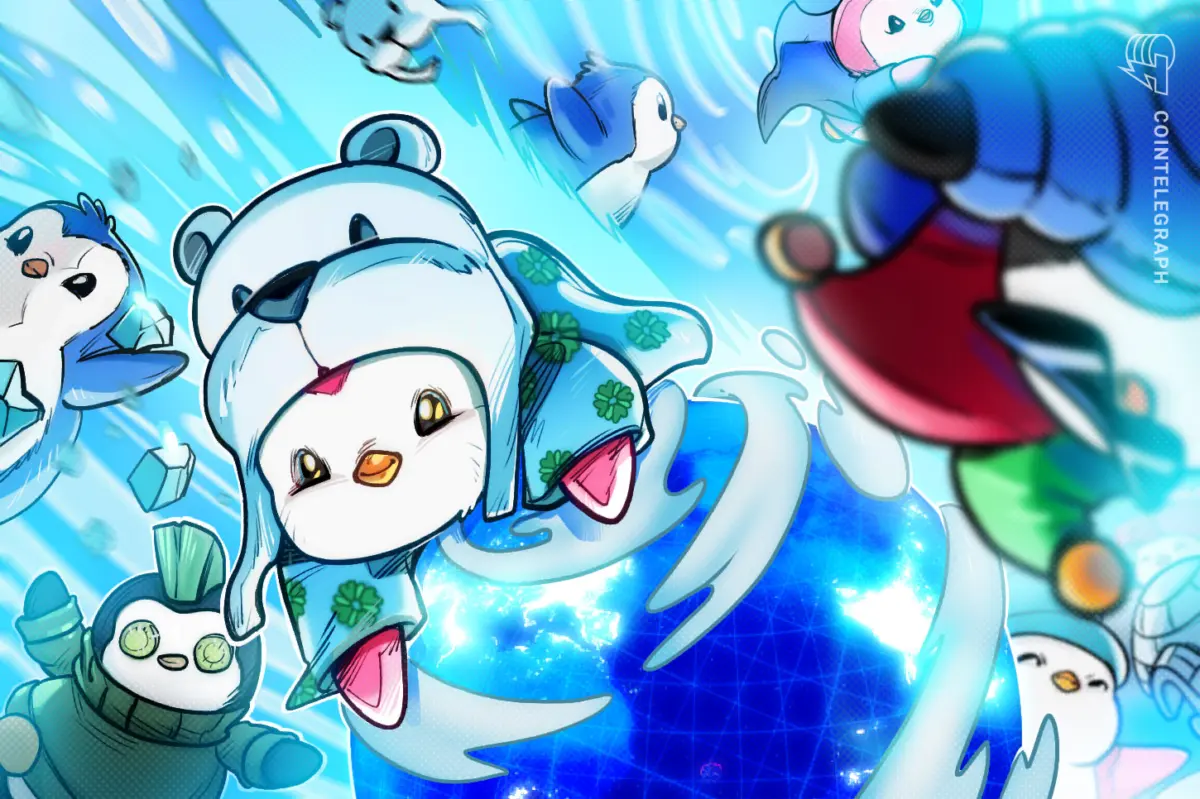
Marking the most aggressive retail footprint expansion in the franchise’s history, this nationwide availability at Target catapults the total number of circulated cards to a staggering 15 million units. Beyond simple retail placement, Vibes Series 3 introduces intricate new gameplay mechanics, exclusive original artwork, and exciting cross-collection integrations, including notable appearances by characters from the acclaimed Moonbirds ecosystem.
For the broader Web3 and digital collectible markets, this development serves as a masterclass in intellectual property (IP) migration. While many NFT-native projects struggle to maintain relevance outside of speculative blockchain marketplaces, Pudgy Penguins has consistently defied industry gravity. By systematically transforming blockchain-native avatars into tangible, mass-market consumer products, the project is spearheading a new paradigm where blockchain assets function merely as the genesis layer for multi-billion-dollar entertainment conglomerates.
Ranked as the fourth-largest NFT collection globally by market capitalization—according to real-time analytics from NFT Price Floor—Pudgy Penguins is no longer just a digital community. It is rapidly cementing its status as an omni-channel media franchise, competing directly with legacy toy and entertainment giants on shelves from Walmart and Walgreens to now, Target.
Detailed Chronology: From Ethereum JPEGs to Big-Box Retail Shelves
The trajectory of Pudgy Penguins from a floundering post-mint community in late 2021 to a retail juggernaut is one of the most compelling case studies in modern crypto history. Understanding how Vibes Series 3 reached Target requires a granular look at the critical milestones that paved the way.
[July 2021]
  └── Original Pudgy Penguins NFT collection launches on Ethereum.
[April 2022]
  └── Luca Netz acquires the project, setting a vision for mainstream IP expansion.
[May 2023]
  └── Pudgy Toys debut in over 2,000 Walmart stores nationwide.
[May 2024]
  └── Milestone reached: Over 1 million physical toys sold within a 12-month window; Walgreens partnership secured.
[2025 - Early]
  └── Expansion into blockchain gaming with 'Pengu Clash' on The Open Network (TON).
[August 2025]
  └── Mobile game 'Pudgy Party' launches, crossing 1 million downloads before pivoting.
[Current]
  └── Nationwide rollout of 'Vibes Series 3' trading card game at Target stores across the US, pushing circulated cards to 15 million.
The Genesis and Turnaround (2021–2022)
Launched originally in July 2021 on the Ethereum blockchain, the initial Pudgy Penguins collection captured early crypto enthusiasm, but soon suffered from leadership turmoil and waning community confidence. The turning point arrived in April 2022, when entrepreneur Luca Netz acquired the project. Netz and his core team injected fresh strategic direction, pivoting away from pure speculation toward a consumer-facing IP model. The core thesis was simple: the underlying blockchain technology should empower the brand, but the end consumer should not need a crypto wallet to enjoy it.
Entering the Physical Toy Market (2023)
Armed with a clear mandate, the brand made its first major splash in the physical retail sector in May 2023. Pudgy Toys made their debut in over 2,000 Walmart stores across the United States. These toys were uniquely equipped with QR codes that allowed buyers to unlock digital traits and traits within the Pudgy ecosystem, seamlessly onboarding traditional retail consumers into the Web3 fold. The strategy paid massive dividends. By May 2024, CEO Luca Netz announced a watershed moment: over 1 million physical toys had been sold globally within a single year, quickly followed by expansion into pharmacy retail giant Walgreens.
Expanding into Interactive Gaming (2025)
Building upon its physical footprint, Pudgy Penguins set its sights on interactive digital entertainment. In early 2025, the brand launched Pengu Clash, a dedicated Web3 game built on The Open Network (TON), leveraging Telegram’s massive social graph to drive user acquisition. This was followed in August 2025 by the launch of Pudgy Party, a mobile party game that quickly surpassed 1 million downloads.
However, agility has been a hallmark of the team’s operational strategy. Recognizing shifts in user engagement and technical scaling, the project announced a strategic pivot: winding down active development on Pudgy Party to consolidate engineering resources into Pudgy World, a more immersive, browser-based gaming ecosystem.
The Crown Jewel: Vibes Series 3 at Target
This brings the timeline to the present day. The nationwide launch of Vibes Series 3 at Target represents the culmination of years of iterative product development. Developed in partnership with Orange Cap Games, the trading card game has evolved from a niche collectible for existing community members into a sophisticated, mainstream card game boasting 15 million circulated cards. By securing shelf space at Target, Pudgy Penguins has positioned its physical products alongside established TCG titans like Pokémon, Magic: The Gathering, and Yu-Gi-Oh!
Supporting Context & Market Metrics
To fully appreciate the magnitude of the Target rollout, one must examine the broader economic and structural foundations supporting the Pudgy Penguins ecosystem.
Market Position and Valuation
According to real-time metrics tracked by NFT Price Floor, Pudgy Penguins currently holds the position of the fourth-largest NFT collection by market capitalization. In an asset class plagued by high volatility, fleeting trends, and structural liquidity crunches, maintaining a top-tier valuation requires sustained utility and brand equity.
| Metric Category | Data Point / Status |
|---|---|
| Blockchain Origin | Ethereum (Main Network) |
| Market Cap Ranking | 4th Largest Globally (per NFT Price Floor) |
| Physical Retail Partners | Walmart, Walgreens, Target |
| Physical Toy Milestone | 1M+ units sold within 12 months (announced May 2024) |
| TCG Scale | 15 Million+ total cards circulated (Vibes Series 3) |
| Gaming Initiatives | Pengu Clash (TON), Pudgy World (Browser-based) |
The Revenue-Sharing IP Model
What sets Pudgy Penguins apart from traditional media franchises and corporate toy lines is its decentralized intellectual property framework. Under this unique licensing architecture, community members who own specific Pudgy Penguin NFTs are granted commercial rights to their digital assets. When these individual penguins are featured on physical merchandise, apparel, or books, the holders receive a 5% cut of net revenue.
This community-centric licensing model has created a powerful economic flywheel. Holders act as passionate brand ambassadors, evangelists, and micro-entrepreneurs, knowing that the global growth of the Pudgy Penguins brand directly translates to tangible financial upside for their individual holdings.
The Omnichannel Retail Strategy
The retail strategy executed by Pudgy Penguins relies on an "omnichannel funnel." Traditional retail footprints—Walmart, Walgreens, and now Target—serve as the top of the funnel, capturing impulse buys and mainstream consumers who have never interacted with a cryptocurrency exchange. Every physical purchase includes digital redemption elements, serving as a bridge to the blockchain ecosystem. Once consumers cross that bridge, they encounter the brand’s broader digital experiences, ranging from community-governed spaces to interactive browser games like Pudgy World.
Official Statements and Industry Implications
The transition of native Web3 intellectual property into mainstream retail channels has elicited significant commentary from industry leaders, economic analysts, and corporate stakeholders.
Leadership Vision
Reflecting on the overarching mission of the brand, CEO Luca Netz has consistently emphasized that the ultimate goal of Pudgy Penguins is to transcend the insular boundaries of the cryptocurrency market. Speaking on past retail milestones, Netz highlighted that gaming and physical goods are not mere auxiliary revenue streams, but rather the primary vehicles for bringing the project’s intellectual property to multi-generational audiences worldwide.
Industry observers have echoed this sentiment. In a recent market analysis note, retail strategists pointed out that brands like Pudgy Penguins are solving the "cold-start problem" of consumer product adoption by leveraging an already highly capitalized, hyper-engaged digital community before spending a dime on traditional advertising.
Re-evaluating Web3 Sustainability
The broader implications of the Target rollout signal a maturation phase for the entire digital asset industry. For years, skeptics argued that NFTs were inherently valueless speculative instruments tethered to volatile crypto tokens. By successfully exporting their characters into brick-and-mortar retail giants, projects like Pudgy Penguins are proving that digital collectibles can serve as effective incubators for enduring media franchises.
Furthermore, the simultaneous streamlining of digital initiatives—such as the sunsetting of Pudgy Party in favor of Pudgy World—demonstrates a pragmatic corporate maturity. Management is actively pruning underperforming digital assets to concentrate capital and engineering talent where consumer demand is highest: physical goods, trading card games, and deeply engaging browser-based ecosystems.
Future Outlook: What Lies Ahead for the Pudgy Ecosystem?
As the ink dries on the Target distribution agreement and Vibes Series 3 hits shelves across the United States, the leadership team at Pudgy Penguins faces both immense opportunity and formidable operational challenges.
Scaling the Consumer Brand
Sustaining momentum in the cutthroat retail environment requires continuous innovation. To remain competitive against legacy toy manufacturers and gaming giants, Pudgy Penguins must ensure that successive waves of physical products—whether toys, trading cards, or apparel—retain high manufacturing quality and fresh gameplay mechanics. The integration of Moonbirds characters into Vibes Series 3 hints at a potential future trend: cross-pollination and IP consolidation across multiple major NFT ecosystems. If Pudgy Penguins can successfully act as an aggregator and publisher for disparate digital communities, it could unlock a powerful new B2B licensing revenue stream.
Navigating the Digital-Physical Equilibrium
The ongoing pivot toward Pudgy World suggests that the project’s future will heavily lean into immersive, accessible digital environments that do not require high-end gaming rigs or complex crypto wallet setups. By lowering the barrier to entry for digital participation, the brand can successfully capture the children and young adults who first discovered the penguins via a plush toy at Walmart or a trading card pack at Target.
Conclusion
The nationwide rollout of Vibes Series 3 at Target is far more than a routine product launch; it is a watershed moment for the commercialization of decentralized intellectual property. By systematically breaching the walls of traditional big-box retail, Pudgy Penguins has validated the hypothesis that blockchain-born communities can successfully evolve into mainstream entertainment powerhouses. As the project continues to scale its physical footprint, refine its gaming ecosystem, and champion its community-first licensing model, it offers a definitive roadmap for how digital assets can build lasting, real-world value.