Executive Overview
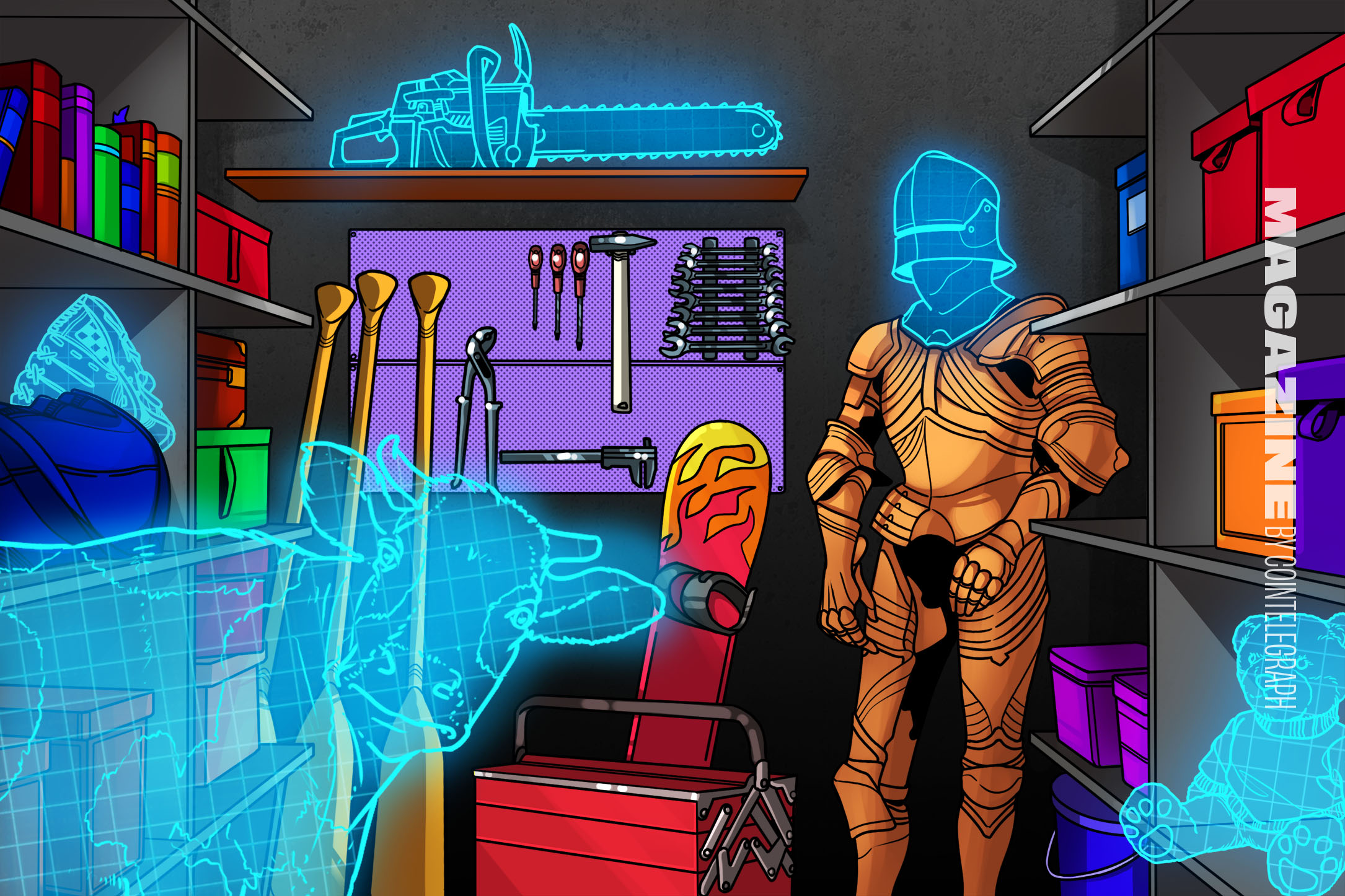
Yet, beneath the surface of high-brow institutional whitepapers and cautious pilot programs lies a wild, eccentric, and occasionally absurd frontier. Blockchain technology is fundamentally an open, programmable accounting ledger. By design, it does not discriminate between an investment-grade municipal bond and a filmmaker’s flatulence.
This libertarian neutrality has birthed a fascinating subculture of tokenization: an arena where farmers collateralize live cattle, filmmakers monetize bodily gases, and crypto enthusiasts burn physical masterpieces by Banksy to resurrect them as immutable digital artifacts.
While traditional financial analysts debate the finer points of fractionalizing commercial real estate, a parallel wave of experimental tokenization has tested the absolute limits of ownership, liquidity, and human imagination. This article investigates the mechanics, madness, and underlying economic rationale of 10 of the strangest things ever tokenized onchain.
Detailed Chronology: From Digital Punks to Tokenized Livestock
To understand how the market reached a point where radioactive metals and farm animals are traded on public ledgers, one must trace the evolution of tokenization from internet novelty to agrarian utility.
Phase 1: The Cultural Novelty Era (2020–2021)
The COVID-19 pandemic catalyzed a global shift toward digital isolation, triggering an explosion of speculative energy into the nascent nonfungible token (NFT) market. During this era, tokenization was largely viewed as an artistic or cultural experiment rather than a serious financial tool.
- The Fart Monetization (2020): Filmmaker Alex Ramírez-Mallis recorded his flatulence over the course of a year and minted each audio file as an NFT, selling them for roughly $85 a pop.
- The Body as Billboard (2021): Croatian tennis player Oleksandra Oliynykova auctioned a 15-by-18-centimeter patch of skin on her arm as an NFT, effectively turning her body into a decentralized advertising billboard.
- The Destruction of Art (2021): A crypto collective known as "Burnt Banksy" purchased an authentic Banksy print for $95,000, livestreamed its incineration, and sold the resulting token for nearly $382,000.
- The First Tweet (2021): Twitter co-founder Jack Dorsey tokenized his inaugural tweet, selling it to entrepreneur Sina Estavi for a staggering $2.9 million—a high-water mark of early crypto exuberance that later collapsed in value.
Phase 2: The Fractionalization and Utility Shift (2022–2023)
As the initial NFT mania subsided, developers and entrepreneurs began asking a more practical question: Can the underlying architecture of tokenization solve real-world liquidity and access problems for physical commodities?
- Music Royalties: Artists like 3LAU and Nas leveraged platforms like Royal to tokenize streaming revenue, allowing everyday fans to buy fractional shares of music catalogs and earn micro-yields from song streams.
- Luxury Commodities (Whiskey & Racehorses): Projects began exploring high-end collectibles that historically appreciated with age. Thoroughbred racehorses and rare Scotch whisky casks were carved into digital shares, democratizing access to asset classes previously reserved for the ultra-wealthy.
Phase 3: The Institutional and Agrarian Integration (2024–Present)
Today, tokenization has moved far beyond digital art and luxury novelties into heavy industry and staple agriculture.
- Uranium Trading: Platforms like metals.io began using Tezos-backed infrastructure to issue tokens backed by physical uranium, merging blockchain rails with critical energy commodities.
- Tokenized Cattle (2025): Brazil’s B3 stock exchange made global headlines when a southern farmer used 10 live cows as collateral for a 100,000 Brazilian real ($19,600) loan. By virtually herding the livestock into a blockchain-based holding pen, the agricultural sector demonstrated that traditional assets could be instantly leveraged for digital credit.
Supporting Context & Metrics: The Mechanics of the Absurd
To separate sensational headlines from viable economic models, we must examine the hard metrics and structural frameworks governing these strange tokenized assets.
1. Agricultural Collateral and Livestock Financing
The Brazilian B3 exchange pilot involving 10 cows may have started as a modest $19,600 loan, but its underlying target market is massive. Structured by investment fund Target FIDC, each cow was assigned a unique digital token linked to an encrypted digital identity.
- The Global Opportunity: The global agriculture industry generated approximately $4 trillion in gross value added in 2023, according to Food and Agriculture Organization (FAO) data.
- Scaling Potential: Fund projections indicate that successful proof-of-concept models could unlock up to $80 million in livestock-backed financing across Brazilian farms alone, paving the way for tokenized sheep, goats, and poultry.
2. Specialized Commodity Liquidity
While institutional blockchains prioritize U.S. Treasuries, niche commodities face severe liquidity bottlenecks in traditional markets.
- Uranium Volume: According to Tezos co-founder Arthur Breitman, tokenized uranium trading volume on metals.io reached $21.5 million between November 2024 and July 2026, spread across roughly 18,200 trades and 7,400 unique wallets.
- The Reality Check: Despite these figures, institutional adoption remains cautious. Traditional financial institutions acknowledge the efficiency of blockchain rails but remain hesitant to deploy capital into volatile or tightly regulated physical commodities without standardized legal frameworks.
3. The Failure of Unautomated Real-World Links
Not all strange tokenization attempts succeed. Brickken, an RWA tokenization platform, was approached by a Chilean fish-processing company wishing to issue debt instruments whose returns were tied directly to fish sales.
- The Bottleneck: The project ultimately failed to launch onchain. Why? Because the underlying fish sales relied on legacy audits, commercial reporting, and legal agreements that could not be automatically verified by smart contracts. This highlighted a foundational truth: the primary barrier to tokenization is rarely the blockchain itself, but rather the messy, analog nature of the real world.
Official Statements & Industry Perspectives
Industry leaders, founders, and institutional executives have offered sharply contrasting views on the limits and potential of RWA tokenization.
Larry Fink on Total Asset Migration
BlackRock CEO Larry Fink has repeatedly emphasized the institutional view on the sector, famously stating that "every asset will eventually be tokenized." Fink’s vision centers on lowering transaction costs, increasing market transparency, and eliminating settlement friction across global capital markets—though it remains safe to assume he was not envisioning flatulence or livestock when making his projections.
Arthur Breitman on "Technology-Flavored Commodities"
Defending the unconventional choice to tokenize radioactive elements, Tezos co-founder Arthur Breitman pointed out that blockchain technology excels at creating auditable financial rails for specialized assets.
"Blockchain technology excels at building reliable, auditable, and cost-efficient financial rails for any asset, but it is particularly aligned with ‘technology-flavored commodities’ like uranium," Breitman noted.
However, he conceded that institutional players remain "shy about tokenized rails" when moving outside traditional asset parameters.
Chris Turner on the Illusion of Liquidity
Warning against the uncritical tokenization of quirky or illiquid collectibles, Chris Turner, co-founder of impact investment firm KULA, offered a sobering reality check:

"Putting a collectible or luxury item on a blockchain doesn’t automatically make it more liquid or valuable if the legal rights, transfer process, and market structure remain unchanged."
Edwin Mata on Cash Flow Validation
Echoing the importance of structural foundations, Edwin Mata, chief executive of Brickken, explained that tokenization ultimately relies on verifiable cash flows rather than the novelty of the underlying asset:
"Almost any cash flow can support a tokenized financial instrument, provided the underlying rights and data can be independently verified… Tokenization can improve access, administration, settlement, and transferability, but it cannot transform a poor investment into a good one."
Future Outlook: Where Does RWA Tokenization Go From Here?
The journey from tokenizing flatulence and Jack Dorsey’s first tweet to collateralizing cattle and trading uranium highlights both the boundless creativity and the speculative excess of the crypto ecosystem.
As the market matures through 2026 and beyond, several key trends will shape the future of real-world asset tokenization:
- The Death of Pure Novelty: As regulatory scrutiny tightens and institutional capital assumes a dominant role in the RWA landscape, pure novelty tokens (such as body parts, burned art prints, and bodily gases) will likely remain historical curiosities of the 2021 NFT boom rather than viable financial assets.
- Standardization of Legal Wrappers: The failure of projects like the Chilean fish-processing debt model proves that tokenization requires robust legal frameworks. Future success will depend on bridging smart contracts with binding, legally enforceable real-world jurisdictions.
- Expansion into Underserved Markets: The success of Brazil’s tokenized cattle proves that agricultural and emerging-market assets stand to gain the most from blockchain rails. By unlocking liquidity for farmers who lack access to traditional banking systems, tokenization can deliver genuine economic utility.
Ultimately, whether an asset is a $100 billion sovereign bond or a herd of 10 dairy cows in southern Brazil, the underlying mandate of tokenization remains the same: if cash flows and ownership rights can be accurately verified, the blockchain can transform them into accessible, programmable capital.