
Executive Overview
Just past midnight on Friday, the critical 10-day constitutional window (excluding Sundays) elapsed since the bill was formally transmitted to President Donald Trump’s desk. Having neither signed the legislation nor exercised a formal presidential veto, Trump’s deliberate inaction triggers a provision under Article I, Section 7 of the U.S. Constitution, allowing the bill to enact itself into law without executive endorsement.
The path to enactment has been fraught with political friction. Originally slated for a high-profile public signing ceremony, the event was abruptly canceled by the White House on June 24. Hours before the legislative deadline expired, President Trump took to social media platform Truth Social to air his grievances. He publicly lambsted congressional Republicans who voted for the housing package, labeling them "dumb," and demanded that the Senate pivot its focus entirely to the contentious SAVE America Act—a voting integrity measure that requires in-person proof of U.S. citizenship for voter registration.
Curiously, despite the intense scrutiny surrounding the housing package, Trump’s public statement omitted any direct reference to one of the bill’s most fiercely debated components: a statutory ban preventing the Federal Reserve from issuing a digital dollar or any substantially similar digital asset through December 31, 2030.
While progressive lawmakers like Senator Elizabeth Warren have celebrated the imminent enactment of what they term "the biggest housing bill in 30 years," the president’s cold shoulder toward bipartisan legislation has sent shockwaves through Washington. Analysts and industry stakeholders are now urgently reassessing the legislative outlook for upcoming digital asset priorities, most notably the pending Digital Asset Market Clarity (CLARITY) Act. As political lines harden, questions loom large over how executive friction, partisan divides, and the intersection of politics and presidential business interests will shape the future of American financial technology regulation.
Detailed Chronology: From Bipartisan Compromise to Executive Stand-Off
The journey of the 21st Century ROAD to Housing Act reflects the complex, often volatile nature of contemporary congressional deal-making.
June 2026: The Bipartisan Push in Congress
Throughout early June, both the House of Representatives and the Senate engaged in intense negotiations to craft a comprehensive package aimed at alleviating the compounding American housing affordability crisis. Facing immense pressure from constituents, real estate associations, and municipal leaders, lawmakers from both sides of the aisle converged on a massive legislative text.
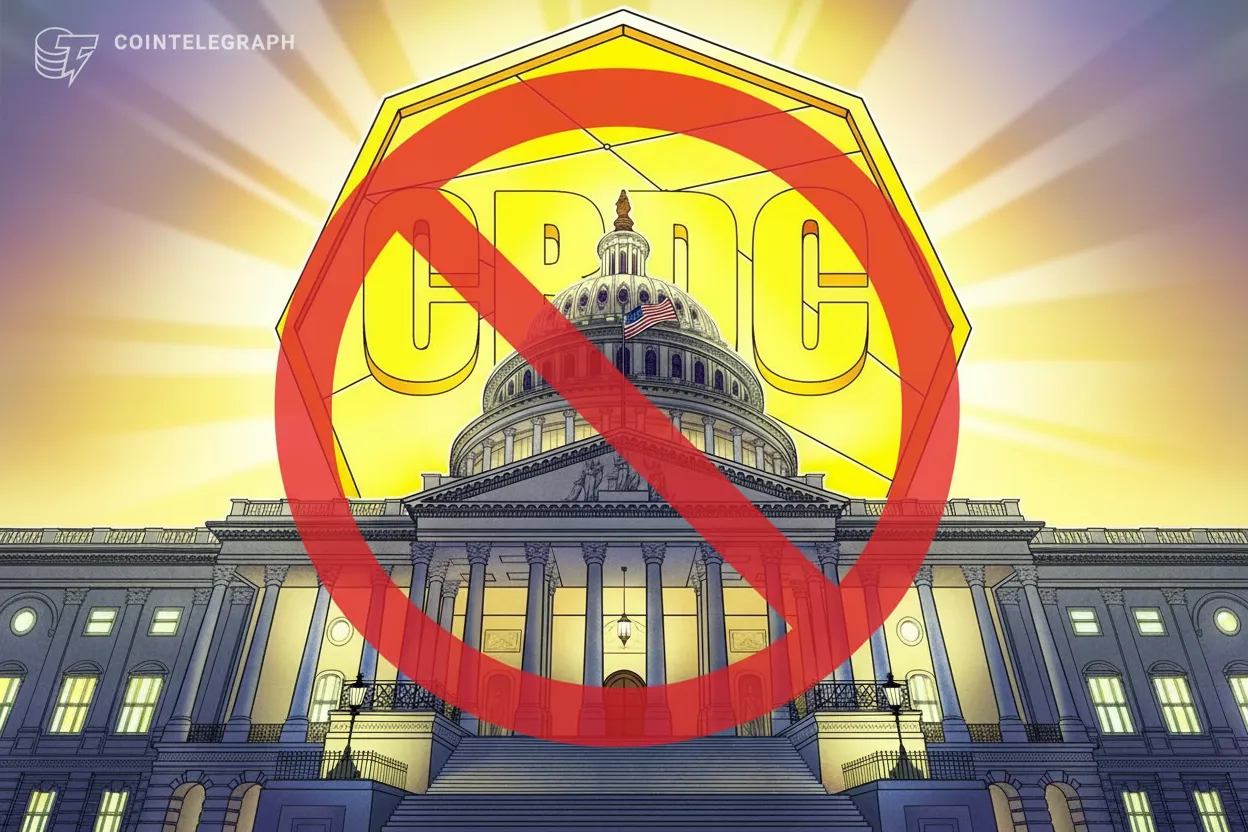
To secure the necessary conservative votes to pass the sprawling housing reforms, congressional negotiators integrated a critical concession: a provision explicitly barring the Federal Reserve from developing, piloting, or issuing a Central Bank Digital Currency (CBDC), or any digital asset bearing substantial similarity, until the close of 2030. Financial policy analysts widely regarded this language as a strategic political trade-off—a concession to secure the backing of conservative lawmakers fiercely opposed to government-controlled digital currencies.
By mid-June, the bill successfully cleared both chambers of Congress, heralded by proponents as a rare triumph of bipartisan cooperation on domestic policy.
June 24: The Canceled Ceremony
Momentum ground to an abrupt halt on June 24. Following weeks of careful coordination, the White House shocked Washington insiders by abruptly canceling the planned public signing ceremony for the 21st Century ROAD to Housing Act. No immediate explanation was provided by administration officials at the time, sparking intense speculation among Capitol Hill aides and lobbyists regarding executive discontent with the legislation’s components or the legislative process itself.
The 10-Day Constitutional Clock
Under Article I, Section 7, Clause 2 of the United States Constitution, a president is granted 10 days (Sundays excepted) to review a bill passed by Congress. During this window, the executive can sign the bill into law, veto it and return it to Congress with objections, or allow the 10-day period to lapse. If Congress remains in session, a bill left unsigned for 10 days automatically becomes law without the president’s signature.
As the clock ticked past midnight on Friday, the constitutional threshold was officially crossed. Despite the president’s refusal to apply his signature, the 21st Century ROAD to Housing Act is now locked in as federal statute.
July 10: The Truth Social Outburst
Moments before the final hours of the review window closed, President Trump broke his silence via Truth Social. Directing sharp criticism at members of his own party, Trump wrote:
"They’re passing dumb bills instead of focusing on what really matters to save our elections. I won’t sign this housing bill, and Republicans in Congress who voted for it should be ashamed. The Senate needs to prioritize the SAVE America Act immediately."
The president’s insistence on redirecting legislative bandwidth toward the SAVE America Act—a measure requiring in-person proof of U.S. citizenship for federal voter registration, which critics argue creates insurmountable barriers for eligible voters—overshadowed the housing reforms entirely. Yet, his public tirade left the specific fate of the embedded CBDC ban unaddressed, leaving financial technologists and legal scholars to decode the downstream implications of a law enacted entirely against the sitting president’s expressed wishes.
Supporting Context & Metrics: The Anatomy of the CBDC Ban
To fully understand the gravity of this legislative milestone, it is essential to examine the structural components of the housing bill and the broader geopolitical and economic war over digital currency architecture in the United States.
Decoding the CBDC Ban
The inclusion of the CBDC prohibition within a housing-centric legislative package underscores the aggressive lobbying efforts undertaken by digital asset advocates and privacy-focused lawmakers over the past several years.
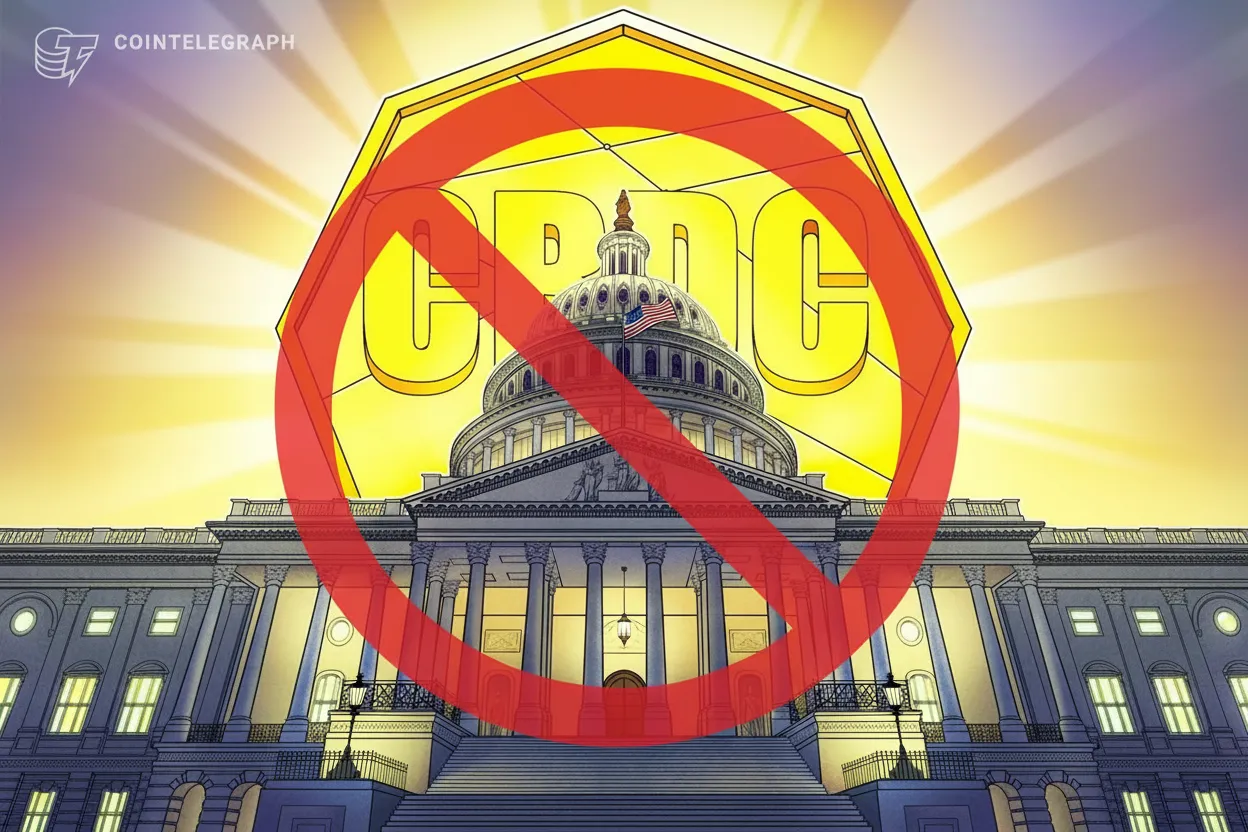
- The Scope: The statutory language explicitly prohibits the Board of Governors of the Federal Reserve System and the Federal Reserve Banks from creating, issuing, or facilitating a Central Bank Digital Currency.
- The Breadth: Crucially, the ban goes further than standard digital currency definitions, extending to "any digital asset that is substantially similar" in design, function, or implementation to a central bank liability.
- The Timeline: The restriction is binding through December 31, 2030, providing a nearly five-year buffer during which the U.S. government cannot legally operationalize a state-backed digital dollar.
Opponents of a U.S. CBDC—ranging from decentralized finance (DeFi) advocates to civil liberties organizations—have long warned that a central bank-issued digital currency would grant the federal government unprecedented surveillance capabilities over citizen transactions, pose severe risks to commercial banking liquidity, and eliminate financial privacy. Conversely, proponents argue that a digital dollar is necessary to maintain the global dominance of the U.S. dollar, enhance cross-border payment efficiencies, and combat illicit financial networks. By cementing this moratorium into law via the housing bill, anti-CBDC crusaders have secured a major legislative victory, effectively neutralizing federal CBDC development initiatives for the remainder of the decade.
Legislative Reactions and Real Estate Impact
The juxtaposition between the president’s rejection and the functional reality of the law has generated sharp partisan commentary.
Reacting to the standoff, Senator Elizabeth Warren—a leading progressive voice and co-sponsor of the housing bill—pulled no punches in assessing the administration’s posture. Writing on decentralized social media platform Bluesky, Warren stated:
“[H]e’s refusing to sign the biggest housing bill in 30 years. The good news: it’s going to become law anyway.”
Economists note that the underlying 21st Century ROAD to Housing Act contains critical funding allocations, zoning modernization incentives, and regulatory streamlining mechanisms designed to combat the nation’s severe housing inventory shortage. With rental costs remaining high and homeownership sliding out of reach for millions of middle-class Americans, the law’s automatic enactment represents a consequential shift in domestic infrastructure policy, independent of presidential buy-in.
Official Statements & Industry Perspectives
The unprecedented dynamics of an unsigned, auto-enacted major bill carrying a foundational financial technology prohibition have galvanized policymakers, executive officials, and crypto industry leaders alike.
Congressional Fallout
Capitol Hill has experienced a palpable chill following Trump’s public rebuke of the GOP lawmakers who supported the package. Moderate Republicans, who viewed the housing package as an essential domestic policy win ahead of upcoming midterm elections, found themselves publicly castigated by the head of their party. Meanwhile, Democratic leaders have seized upon the intra-party friction, highlighting the administration’s governance style and the friction between populist demands and traditional legislative achievements.
Crypto Industry Reactions
Within the digital asset ecosystem, reactions to the un-signed CBDC ban are largely celebratory, tempered by acute anxiety over what this precedent means for other pending crypto legislation.
- The Win: Libertarian and privacy-minded cryptocurrency advocates view the 2030 prohibition as a monumental defensive victory. Preventing the state from deploying a programmable, surveilled digital currency protects the ethos of permissionless assets like Bitcoin and decentralized stablecoins.
- The Worry: Institutional market participants are less sanguine. The reality that a sitting president would actively refuse to sign a bipartisan financial-technology-adjacent bill because it diverted attention from electoral politics has introduced a new layer of regulatory unpredictability.
Future Outlook: Implications for the CLARITY Act and Market Structure
The most urgent question rattling Washington and the digital asset markets is simple: Will the president’s aggressive posture toward the housing bill spill over into the upcoming debate surrounding the Digital Asset Market Clarity (CLARITY) Act?
+-------------------------------------------------------------------------+
|                  U.S. DIGITAL ASSET LEGISLATIVE PIPELINE                 |
+-------------------------------------------------------------------------+
|                                                                         |
|  [21st Century ROAD to Housing Act]                                     |
|   ├── Includes: 2030 Federal Reserve CBDC Ban                           |
|   ├── Status: Auto-enacting into law (Presidential inaction)            |
|   └── Impact: Proves bipartisan bills can bypass executive resistance   |
|                                                                         |
|  [Digital Asset Market Clarity (CLARITY) Act]                           |
|   ├── Status: Passed House & 2 Senate Committees; Floor vote in July    |
|   └── Risk: Faces potential executive skepticism & ethics scrutiny      |
|                                                                         |
+-------------------------------------------------------------------------+
The CLARITY Act at a Crossroads
The CLARITY Act is widely regarded by industry analysts as the most comprehensive and significant regulatory market structure bill ever introduced in the United States. Designed to establish clear jurisdictional boundaries between the Commodity Futures Trading Commission (CFTC) and the Securities and Exchange Commission (SEC), the bill aims to provide legal certainty for token issuers, exchanges, and decentralized finance protocols.
Having already successfully cleared the House of Representatives alongside two crucial Senate committees, the CLARITY Act is widely anticipated to head to the full Senate chamber for a floor vote this July, immediately following the conclusion of lawmakers’ state work periods.
Presidential Entanglements and Ethics Debates
Complicating the legislative path of the CLARITY Act are President Trump’s extensive personal and familial ties to the digital asset industry. Financial disclosures reveal that Trump earned upwards of $1.4 billion in crypto-related income throughout 2025, a staggering sum generated through various ventures, including branded memecoins and the Trump family’s decentralized finance platform, World Liberty Financial.
This unprecedented financial alignment between a sitting American president and the emerging Web3 economy has injected intense partisan friction into Senate negotiations. Democratic lawmakers have raised aggressive ethics concerns, arguing that market structure legislation directly impacts the valuation and operational legality of assets linked to the first family. Conversely, Republican defenders argue that regulatory clarity is vital for national economic competitiveness and technological leadership.
Regulatory Trajectory: What to Watch
As lawmakers return to Washington for the July legislative session, industry observers will be monitoring several critical indicators:
- Senate Floor Whipping: Whether Senate leadership possesses the unified caucus support required to override potential executive hesitation or secure a veto-proof majority for the CLARITY Act.
- Regulatory Jurisdiction Battles: Ongoing turf wars between the SEC and the CFTC, particularly in light of recent administration directives asserting robust CFTC authority over emerging financial tools like prediction markets.
- Executive Communication: Any signal from the White House regarding whether market structure reform will be granted a higher priority than the electoral measures championed in Trump’s recent social media posts.
Conclusion
The automatic enactment of the 21st Century ROAD to Housing Act marks a watershed moment in modern American governance. By weaponizing constitutional technicalities, a major domestic reform package—complete with a landmark, decade-long ban on a U.S. Central Bank Digital Currency—has bypassed a hostile executive desk to become the supreme law of the land.
However, as the legislative calendar turns its focus to the high-stakes battle over the CLARITY Act, the underlying political fault lines have never been sharper. The intersection of populist electoral demands, intense partisan wrangling, and the historic entanglement of executive wealth with cryptocurrency markets ensures that the future of American digital finance will remain fiercely contested for the foreseeable future.