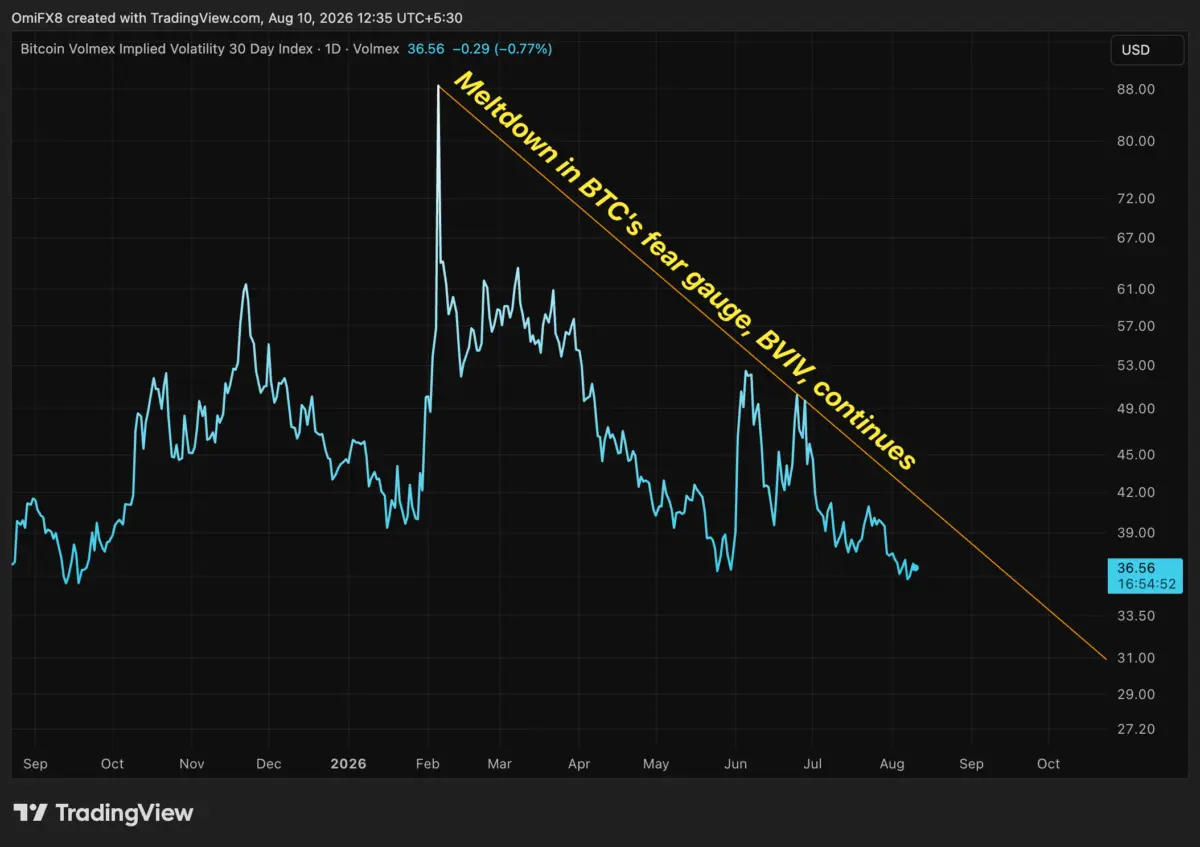

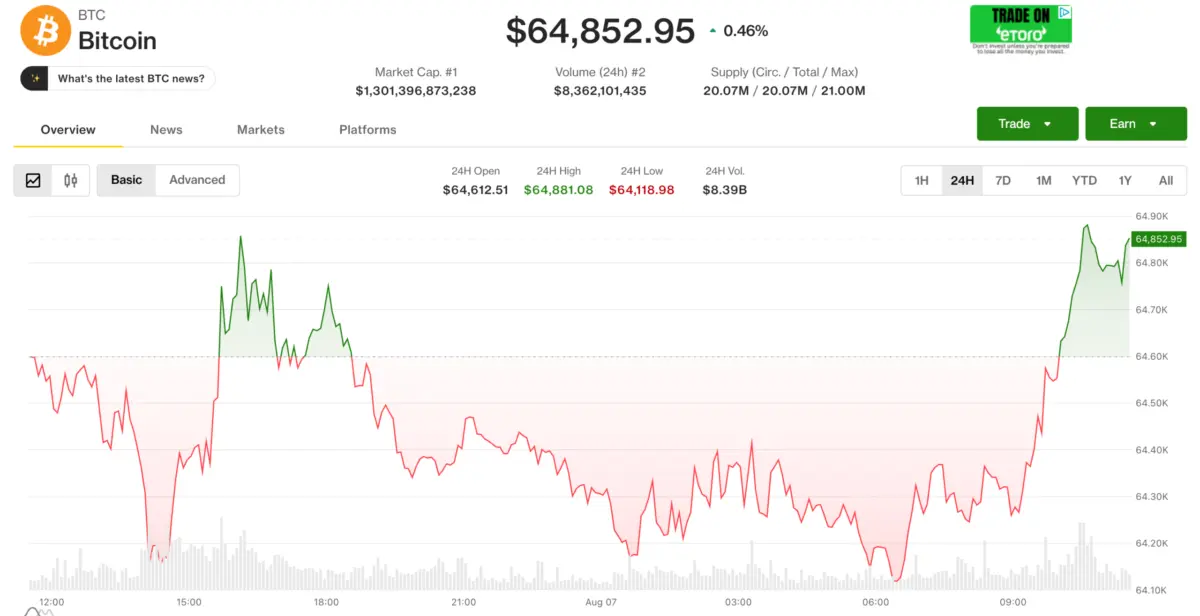
Executive Overview
Beyond the digital currency landscape, traditional markets experienced significant turbulence. Brent crude oil prices breached the $83-per-barrel mark following a direct assault on Saudi Arabia by Yemen’s Iran-linked Houthi movement. This kinetic escalation injected a fresh wave of risk premium into global energy markets, instantly reviving inflation anxieties that central bankers had hoped were steadily dissipating. Compounding these macro headwinds, U.S. Treasury yields hovered near elevated levels, with the benchmark 10-year note holding firm at 4.67%.
In the face of these compounding macroeconomic strains—ranging from tighter financial conditions to renewed energy shocks—traditional safe-haven assets experienced a powerful resurgence. Most notably, gold surged 1.5% to cross the historic $4,300-per-ounce threshold as capital fled toward defensive postures. This comprehensive report delves into the intricate web of geopolitical catalysts, macroeconomic headwinds, and technical dynamics shaping the current market paradigm.
Detailed Chronology: Geopolitical Shocks and Macroeconomic Pressures
The Houthi Strike and the Resurgence of Energy Volatility
The catalyst for Friday’s commodity market jolt occurred in the pre-dawn hours, when Yemen’s Iran-backed Houthi movement launched a coordinated drone and missile strike targeting vital energy infrastructure within Saudi Arabia. The attack immediately rattled global supply chains and reignited deep-seated fears regarding the security of critical Middle Eastern transit corridors and production facilities.
Energy traders swiftly repriced geopolitical risk, sending Brent crude surging past the psychologically significant $83-per-barrel threshold. For months, central banks across the developed world have fought a grueling war of attrition against stubborn inflation. While headline figures have shown signs of cooling, energy inputs remain the single most volatile and influential component of the global supply chain.
A sustained rally in oil prices threatens to reverse recent gains in consumer price index (CPI) metrics, casting a long shadow over monetary policy expectations. Market participants who had previously priced in aggressive interest rate cuts by the U.S. Federal Reserve for the back half of the year are rapidly recalibrating their models. Higher energy costs translate directly to elevated transportation and manufacturing expenses, which inevitably trickle down to the end consumer, locking in inflationary persistence.
Treasury Yields and the "Higher-for-Longer" Reality
Simultaneously, the fixed-income market continues to exert immense gravitational pull on risk-on asset classes. The yield on the U.S. 10-year Treasury note remained stubbornly high at 4.67% heading into Friday’s trading sessions. This elevated yield environment represents a formidable headhead for equities, venture capital, and cryptocurrencies alike.
When risk-free rates offer nearly 4.7% with guaranteed sovereign backing, the opportunity cost of holding non-yielding assets—such as growth stocks or speculative digital tokens—increases dramatically. Jurrien Timmer, Director of Global Macro at Fidelity, captured the prevailing anxiety among institutional strategists, remarking that "history suggests that nothing good happens" when long-term yields remain anchored at these restrictive levels while energy prices mount a resurgence.
The convergence of high yields and rising oil prices creates a double-whammy for financial markets: restrictive monetary policy tightening financial conditions on one side, and cost-push inflation eroding purchasing power on the other.
Supporting Context & Metrics: Asset Class Divergence
Bitcoin’s Resilience vs. Macro Pressures
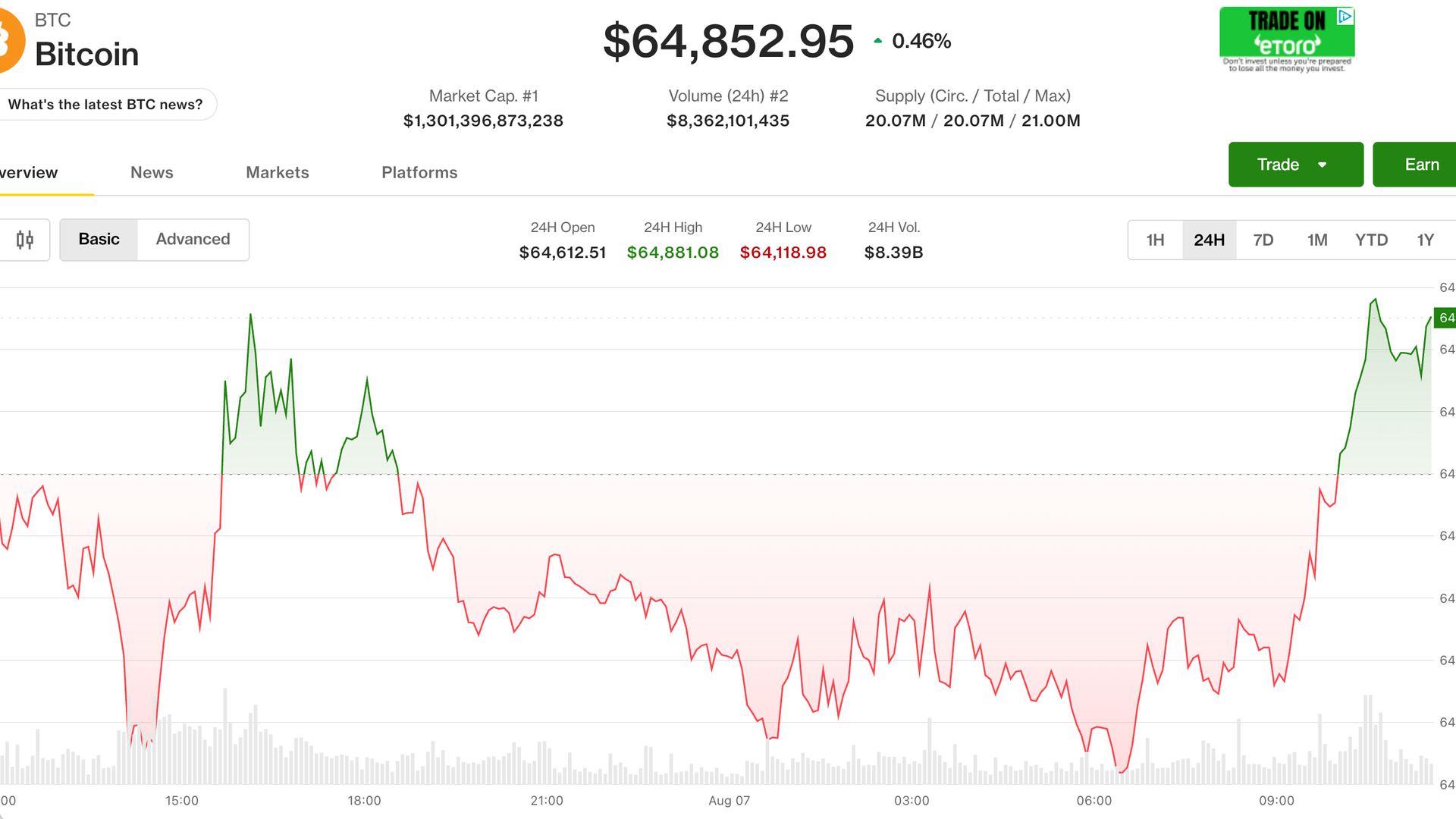
Despite the toxic mix of escalating geopolitical conflict, sticky yields, and inflationary oil shocks, Bitcoin’s ability to defend the $64,700 region has surprised many veteran market analysts. Historically, a sudden spike in Brent crude coupled with a jump in safe-haven demand would trigger a cascading liquidation event across leveraged crypto derivatives.
However, structural shifts in market participation—driven heavily by the maturation of U.S. spot Bitcoin exchange-traded funds (ETFs) and evolving institutional custody solutions—have altered the asset’s reaction function. While the broader CoinDesk 20 index ticked down 0.2%, Bitcoin’s sideways consolidation suggests that spot accumulation is absorbing a significant portion of macro-driven sell pressure.
Nevertheless, analysts caution that if the macroeconomic headwinds deepen—particularly if upcoming U.S. employment data surprises to the upside, solidifying the Federal Reserve’s restrictive stance—Bitcoin could struggle to maintain its multi-week range.
Gold’s Historic Climb to $4,300
While digital assets consolidated, precious metals staged an aggressive flight-to-safety rally. Gold climbed 1.5% over the 24-hour trading window to establish a new milestone at $4,300 per ounce. The rapid capital migration into bullion underscores the deep-seated apprehension gripping institutional allocators.
In times of kinetic military conflict in energy-rich regions, coupled with fiscal dominance and sticky inflation, gold remains the ultimate institutional default hedge. The divergence between gold’s explosive rally and Bitcoin’s flat-to-consolidative movement highlights that while crypto is increasingly viewed as digital gold by long-term holders, it still trades with high beta correlation to broader liquidity and risk sentiment during acute macro shocks.
Official Statements and Market Commentary
Market participants, analysts, and macro strategists have been vocal regarding the delicate tightrope central banks and investors must walk in the current environment.
-
Jurrien Timmer (Director of Global Macro, Fidelity): Weighing in on the interaction between soaring borrowing costs and macroeconomic stability, Timmer noted via social commentary that the current level of the 10-year Treasury note—sitting at 4.67%—coupled with external supply shocks, represents an environment where "history suggests that nothing good happens." His analysis underscores the risk that prolonged high rates, when combined with geopolitical flare-ups, risk tipping fragile economic sectors into distress.
-
Energy Market Strategists: Commenting anonymously on the Houthi drone strikes against Saudi infrastructure, regional trade analysts emphasized that "the illusion of insulation in Middle Eastern logistics has once again been shattered." The ease with which regional militant groups can disrupt major production nodes ensures that a permanent risk premium will likely remain baked into crude prices for the foreseeable future.
-
Cryptocurrency Derivatives Desks: Trading desks in New York and Singapore observed that positioning heading into Friday’s session was decidedly defensive. Options markets showed heightened demand for downside protection, with skewed puts reflecting trader anxiety over potential weekend headlines originating from the Middle East.
Future Outlook: Navigating the Uncertainty
As markets look toward the horizon, the trajectory of Bitcoin, equities, and commodities will depend heavily on three interconnected variables: the containment of Middle Eastern hostilities, the path of central bank monetary policy, and incoming economic data releases.
1. Geopolitical Escalation and Energy Markets
Should retaliatory strikes follow the recent Houthi assault on Saudi Arabia, Brent crude could easily push past $90 a barrel. Such a move would severely test the resolve of central banks, forcing a conversation around whether further monetary tightening is required to combat imported energy inflation. For Bitcoin and risk assets, a severe oil shock represents an immediate liquidity drain.
2. The U.S. Labor Market and Fed Policy
Market participants remain hyper-focused on upcoming U.S. employment metrics. A resilient jobs report—while positive for the broader economy—would likely cement the Federal Reserve’s "higher-for-longer" narrative, keeping Treasury yields elevated and restricting capital inflows into speculative assets. Conversely, signs of labor market softening could provide the Fed with the narrative pivot needed to reintroduce rate cut expectations, offering immediate relief to risk-on sectors.
3. Structural Evolution Within the Digital Asset Ecosystem
Even as macroeconomic clouds gather, innovation within the broader blockchain space continues unabated. Developments such as Zcash’s upcoming Tachyon upgrade—focused on scaling shielded payments, enhancing quantum readiness, and stress-testing decentralized governance models—demonstrate that the underlying technological foundation of web3 continues to advance independently of near-term macro noise.
Ultimately, market participants are operating in an environment of heightened sensitivity. Until geopolitical tensions de-escalate and macroeconomic clarity emerges regarding interest rates and inflation, digital assets are likely to remain range-bound, caught in an intense tug-of-war between institutional adoption and global macroeconomic headwinds.