
Executive Overview
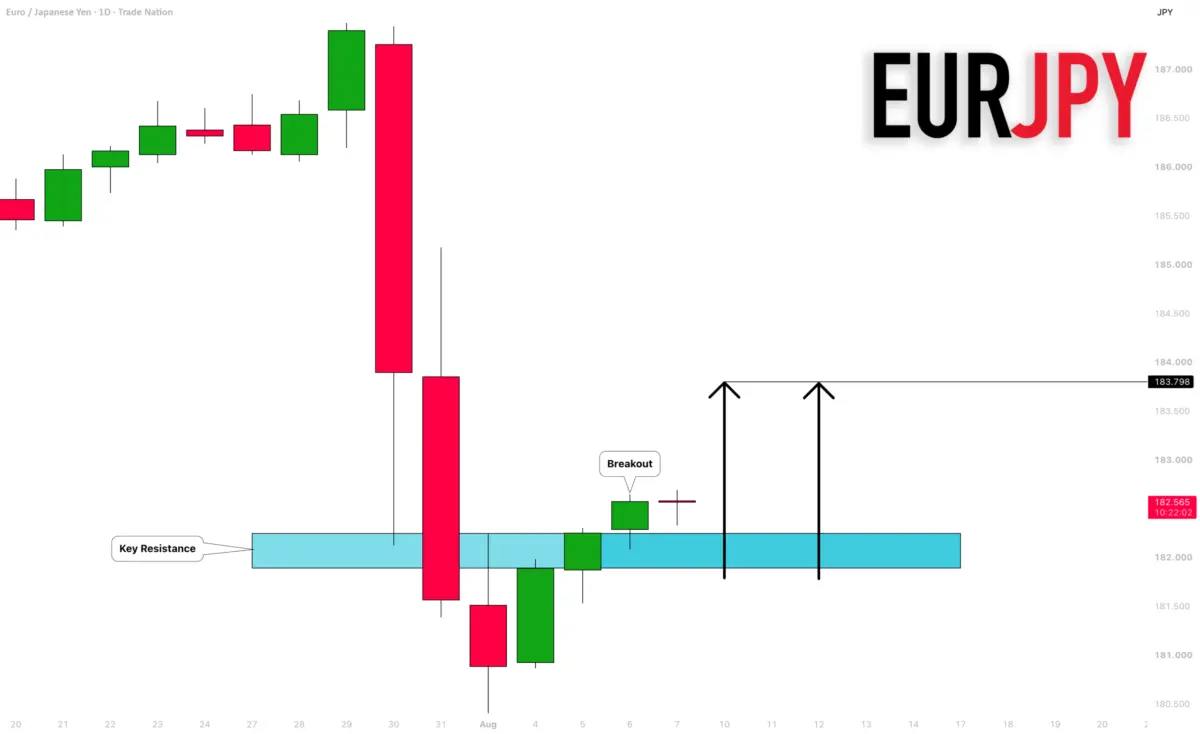
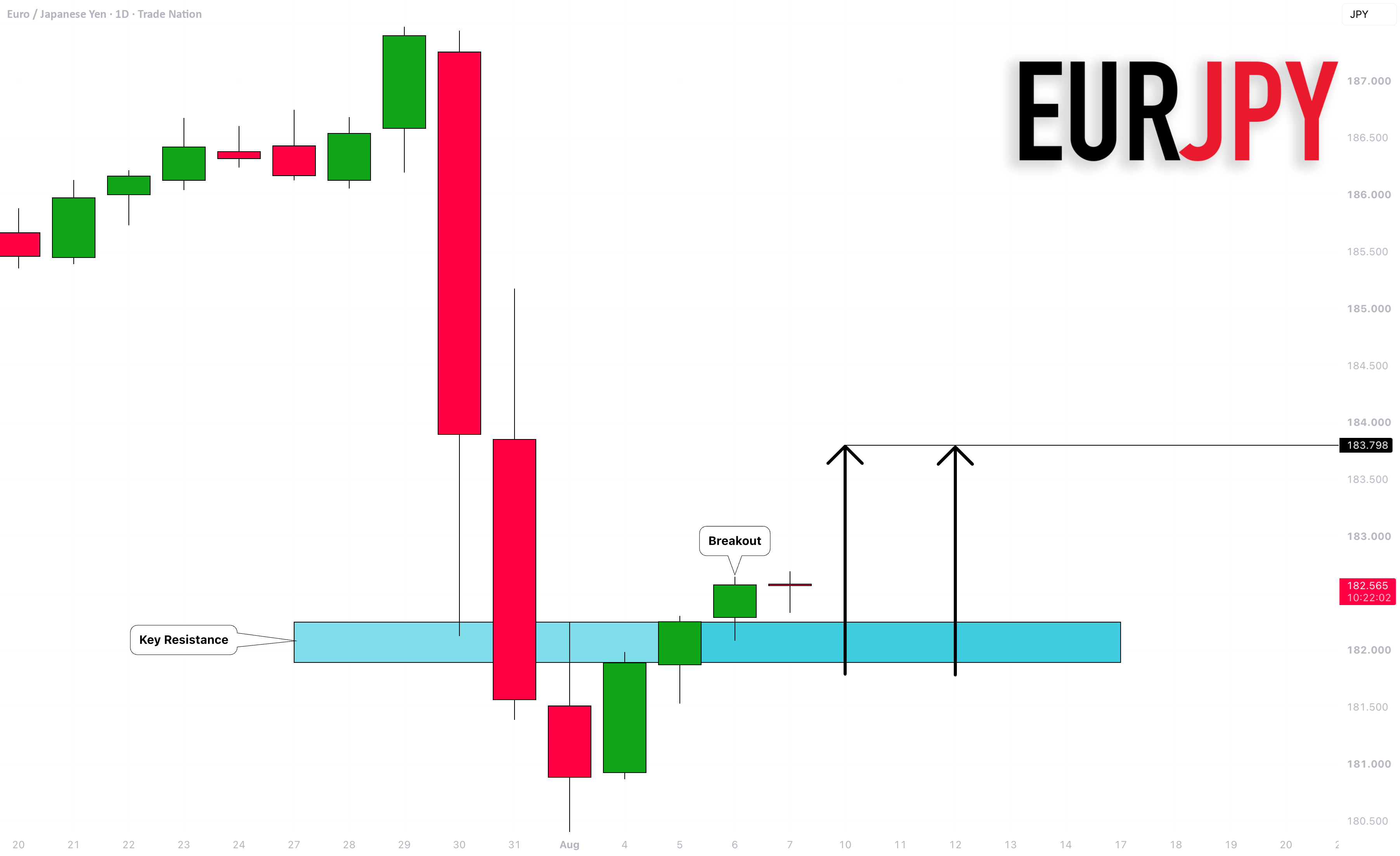
This decisive structural break has fundamentally transformed the market’s internal plumbing: the former ceiling has now inverted into a robust support floor. Price action suggests that buyers have seized structural control of the tape, clearing the path for an extended recovery rally. Technical analysts and institutional desks are now aggressively targeting the 183.80 major resistance level as the primary upside objective in the near term.
However, viewing this technical development in a vacuum would ignore the complex macroeconomic underpinnings that dictate cross-rate valuations. The resilience of the Eurozone economy, persistent core inflation prints across the currency bloc, and the European Central Bank’s (ECB) evolving monetary policy stance are colliding with Japan’s historic, albeit sluggish, departure from decades of ultra-loose monetary policy. The Bank of Japan (BoJ) continues to walk a tightrope between normalizing interest rates and preventing sudden, destabilizing shocks to domestic debt markets.
This comprehensive report examines the structural breakout on the EUR/JPY daily charts, evaluates the underlying technical mechanisms at play, contextualizes the fundamental forces driving the cross, and provides a forward-looking roadmap for traders and institutional allocators positioning for the push toward the 183.80 resistance handle.
Detailed Chronology of the Breakout
The journey toward the recent EUR/JPY structural breakout was characterized by weeks of consolidation, compressed volatility, and fierce institutional battles around key psychological and technical levels. To understand the significance of the recent close above the daily resistance cluster, one must trace the step-by-step evolution of price action leading up to this pivotal market event.
Phase 1: The Accumulation and Compression Phase
During the preceding weeks, EUR/JPY price action was trapped inside a well-defined consolidation range. Sellers repeatedly defended a multi-touch horizontal resistance cluster, using algorithmic sell programs and institutional supply blocks to cap every attempted rally. Yet, what distinguished this consolidation period from a typical bearish rejection was the behavior of the buyers.
Instead of experiencing sharp, impulsive sell-offs away from resistance, pullbacks were remarkably shallow. Market participants consistently bought the dips, creating an ascending series of higher lows on the lower-timeframe charts. This price compression is a textbook indicator of underlying accumulation. Smart money and trend-following algorithms were quietly absorbing institutional supply, steadily building long exposure while wearing down the liquidity resting at the resistance barrier.
Phase 2: The Catalyst and Intraday Volatility
The catalyst for the breakout arrived amid a confluence of thin liquidity windows and shifting macroeconomic sentiment regarding the relative monetary policy trajectories of Frankfurt and Tokyo. As European trading hours opened, a sudden surge in buying volume materialized, pushing EUR/JPY out of its narrow range and directly into the heart of the daily resistance cluster.
Market makers reported aggressive stop-hunt activity just above the resistance ceiling, where leveraged short positions and trailing stop-losses were heavily concentrated. As these sell stops were triggered, they transformed into forced market buy orders, creating a cascade of liquidity that propelled the exchange rate sharply higher in a matter of hours.
Phase 3: The Daily Close Confirmation
In technical analysis, a mere intraday spike above resistance is frequently categorized as a "headfake" or liquidity grab designed to trap breakout traders. However, the defining characteristic of this recent EUR/JPY move was the subsequent daily candlestick close.
The session concluded with a decisive, high-volume bullish candle body firmly established above the resistance cluster. This daily close validated the breakout, signaling to institutional algorithms that the resistance level had been permanently invalidated as a supply zone.
Phase 4: The Support Flip and Rebound Setup
Following the close, price action executed a classic retest of the broken structural level. True to textbook market mechanics, the former resistance ceiling acted as a newly minted support floor. Selling pressure dried up entirely upon the retest, and buyers quickly stepped in to defend the level. This successful "support flip" has cemented the bullish thesis, laying the groundwork for the anticipated continuation rally toward the 183.80 major resistance objective.
Supporting Context & Metrics
To fully appreciate the magnitude of the EUR/JPY technical breakout, one must analyze the broader macroeconomic framework, cross-asset correlations, and quantitative metrics governing the currency pair.
1. The Yield Differential and Carry Trade Dynamics
The primary fundamental engine powering long-term trends in EUR/JPY remains the interest rate differential between the Eurozone and Japan. Despite the Bank of Japan executing historic policy shifts—abandoning negative interest rate policy (NIRP) and tweaking its yield curve control (YCC) framework—Japanese nominal yields remain exceptionally low compared to their European counterparts.
- European Central Bank (ECB) Rates: While the ECB has initiated an easing cycle, the pace of rate cuts has been heavily data-dependent and measured, keeping Eurozone yields at attractive levels relative to the G10 peer group.
- Bank of Japan (BoJ) Real Rates: Japan continues to grapple with negative real interest rates when adjusted for domestic inflation. This structural imbalance ensures that the Japanese Yen remains a premier funding currency for global carry trades.
As long as global equity markets maintain a stable-to-positive risk appetite, yield-seeking capital will continue to flow out of low-yielding Yen assets and into higher-yielding European alternatives, providing a structural tailwind for EUR/JPY upside extensions.
2. Quantitative Volatility and Momentum Metrics
Examining quantitative indicators on the daily timeframe reveals compelling evidence of building bullish momentum:
- Moving Average Convergence Divergence (MACD): The daily MACD histogram has printed consecutive expanding green bars, confirming that bullish momentum is accelerating rather than fading after the breakout. Furthermore, a decisive bullish crossover of the MACD signal lines occurred just beneath the resistance cluster, forecasting the impulsive breakout.
- Relative Strength Index (RSI): The 14-period RSI has pushed into bullish territory, registering readings comfortably above the 60 threshold. Crucially, despite the sharp price advance, the RSI has not yet crossed into extreme overbought territory (above 70), indicating that the current recovery rally retains ample runway before encountering exhaustion.
- Volume Profile Analysis: Volume node analysis reveals a significant low-volume node (LVN) sitting directly above the current price action and extending all the way up to the 183.80 target. In market microstructure, prices tend to traverse low-volume nodes rapidly because liquidity is sparse, suggesting that the journey to 183.80 could experience accelerated upside velocity.
Official Statements and Institutional Perspectives
Major financial institutions, central bank officials, and prominent market analysts have weighed in on the shifting dynamics of the Euro-Yen cross rate. Their insights provide invaluable context for institutional allocators navigating this market environment.
European Central Bank (ECB) Policy Outlook
In recent communications, ECB President Christine Lagarde emphasized a data-dependent, meeting-by-meeting approach to monetary policy calibration. While acknowledging that inflationary pressures within the Eurozone are cooling toward the 2% medium-term target, officials have pushed back against aggressive market pricing for deep, rapid rate cuts.
"Our policy stance must remain sufficiently restrictive for as long as necessary to ensure the timely return of inflation to our target. We are navigating a complex economic landscape where labor market resilience continues to buffer domestic demand, preventing a sharper contraction across the currency bloc." — ECB Governing Council Statement (Excerpt)
This measured policy stance has prevented a collapse in European bond yields, preserving the yield advantage that supports the Euro against funding currencies like the Yen.
Bank of Japan (BoJ) and Ministry of Finance (MoF) Stance
Conversely, the Bank of Japan remains cautious regarding the pace of future policy normalization. Following Governor Kazuo Ueda’s recent press conferences, the market has priced in a very gradual tightening path. This dovish recalibration has relieved downward pressure on the Yen in the short term, but it also ensures that structural structural capital outflows from Japan persist.
Furthermore, officials at Japan’s Ministry of Finance continue to monitor foreign exchange markets closely for excessive volatility or speculative one-sided betting against the Yen. While verbal intervention remains a constant threat, institutional desks note that MoF interventions primarily target speculative velocity rather than suppressing natural trend developments driven by fundamental economic realities.
Market Strategist Commentary
Independent market analysts and institutional trading desks utilizing charting infrastructure have echoed the bullish technical outlook. Prominent independent analysts tracking the daily EUR/JPY charts have highlighted the significance of the recent support flip:
"When a major daily resistance cluster of this magnitude breaks and successfully transitions into a validated support floor, it fundamentally alters the risk-reward matrix for market participants. The path of least resistance is unequivocally higher. Provided the newly established support holds on any corrective intraday dips, institutional algorithms and trend-followers will aggressively target the 183.80 resistance level as the next logical clearing house for liquidity."
Future Outlook and Strategic Roadmap
As EUR/JPY digests its recent breakout and establishes a firm foothold above the former resistance cluster, market participants must formulate robust strategic frameworks to capitalize on the anticipated move toward the 183.80 target.
1. Bullish Continuation Scenario (Primary Outlook)
The primary baseline scenario assumes that the newly established support floor holds firm against any retests. Under this projection:
- Immediate Price Action: Expect minor consolidation or low-volume pullback activity as the market digests recent gains and builds energy for the next impulsive leg higher.
- Target Objective: Price action is expected to grind steadily upward through the low-volume node, ultimately testing the 183.80 major resistance level over the coming weeks.
- Invalidation Point: A decisive daily close back below the broken resistance-turned-support cluster would invalidate the immediate bullish thesis, signaling a potential fakeout and exposing the pair to deeper corrective sweeps toward lower multi-week support zones.
2. Risk Management and Execution Strategies
For traders and institutional allocators positioning within this market environment, risk management remains paramount:
- Pullback Entries: Rather than chasing extended price action, disciplined participants are advised to look for orderly, low-volume retracements toward the support cluster to initiate long exposure with optimized risk-to-reward ratios.
- Stop-Loss Placement: Risk parameters should be structured tightly beneath the structural support floor, ensuring that unexpected macroeconomic shocks or sudden geopolitical headlines can be absorbed without catastrophic portfolio drawdown.
- Trailing Profit Objectives: As the exchange rate approaches the 183.80 target, scaling out of long positions or implementing trailing stop-losses is recommended to lock in accumulated profits ahead of what will likely be fierce institutional profit-taking at the major resistance barrier.
3. Macroeconomic Risk Factors to Monitor
While the technical and fundamental alignment favors the continuation of the recovery rally, market participants must maintain vigilance regarding potential black swan events or sudden macroeconomic shifts:
- Geopolitical Escalations: Heightened tensions in key global shipping lanes or energy-producing regions can trigger sudden flights to safety, injecting safe-haven demand into the Japanese Yen and destabilizing cross-rate trends.
- Central Bank Surprises: Any unexpected hawkish pivot from the Bank of Japan—such as faster-than-anticipated rate hikes—or a sudden dovish capitulation by the ECB would instantly alter yield differentials and reverse prevailing market structures.
- US Dollar Dominance: Because EUR/JPY is a cross rate influenced heavily by broader USD dynamics (via EUR/USD and USD/JPY components), unexpected shifts in US macroeconomic data or Federal Reserve policy expectations will inevitably create cross-currents that impact the speed and trajectory of the EUR/JPY advance.
In conclusion, the EUR/JPY breakout represents a textbook convergence of technical structural transformation and supportive macroeconomic fundamentals. With the former resistance cluster successfully converted into a robust support floor, the technical stage is set for an advance toward the 183.80 target. However, disciplined risk management and continuous monitoring of evolving central bank policies remain absolute prerequisites for successfully navigating this dynamic foreign exchange landscape.