
Executive Overview
In all financial markets, market makers and liquidity providers (LPs) constantly evaluate incoming transactions to determine whether they originate from "informed" or "uninformed" counterparties. Uninformed order flow—typically driven by retail participants executing organic trades—allows market makers to capture the bid-ask spread profitably. Conversely, informed order flow is hazardous. High-frequency trading (HFT) firms, quantitative funds, and specialized searchers leverage lightning-fast data feeds, private networks, and predictive algorithms to exploit stale prices or front-run pending transactions. To protect themselves against this "toxic" flow, market makers systematically widen their quotes, imposing a hidden tax that degrades execution quality for ordinary users.
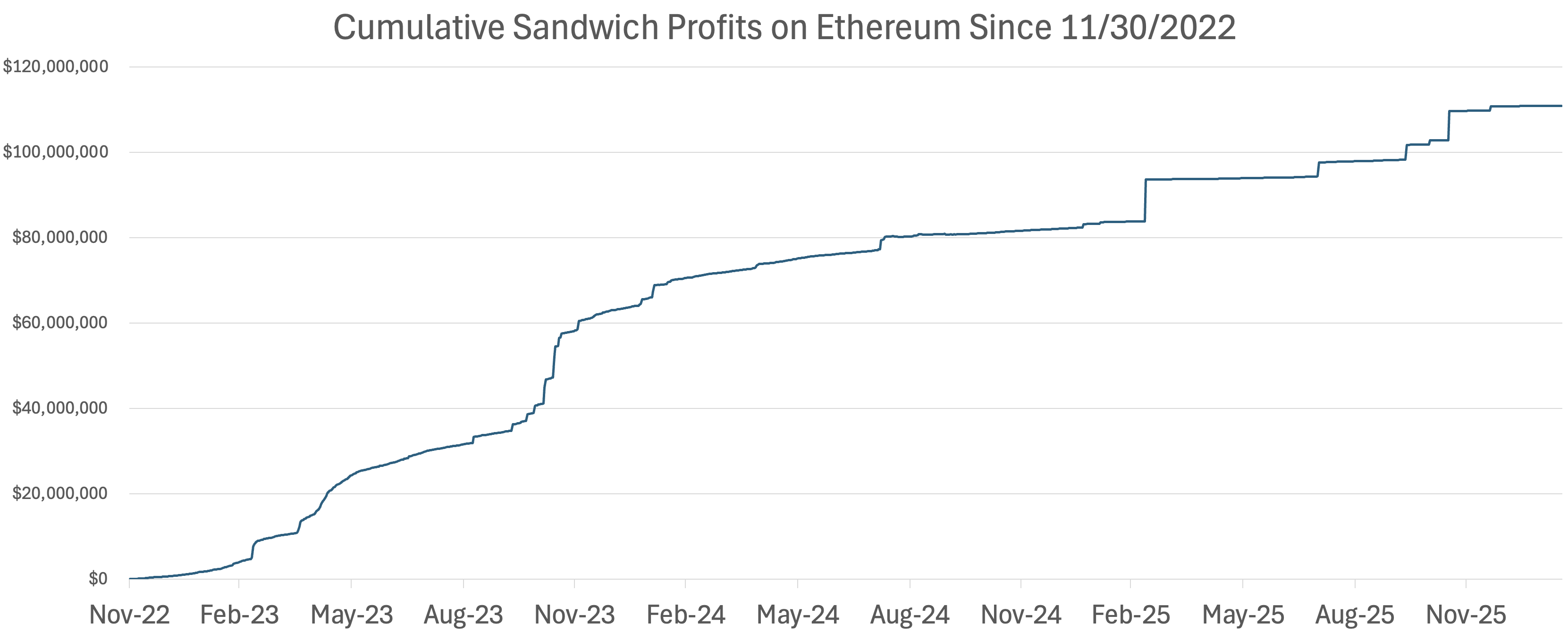
Unlike traditional finance (TradFi), where intermediaries, strict broker-dealer controls, and Know-Your-Customer (KYC) frameworks segment participants and police predatory behavior, blockchains are inherently public, pseudonymous, and permissionless. Every transaction—whether submitted by an unsophisticated retail wallet or an institutional arbitrage bot—enters a transparent mempool or is piped directly to validators. This visibility invites aggressive transaction ordering strategies, such as sandwich attacks and predatory MEV (Maximal Extractable Value), forcing liquidity pools to price every trader as if they are fully informed.
This comprehensive report examines the structural market failures driving adverse selection in DeFi, analyzes the mechanics of toxic order flow, and evaluates the multi-layered toolkit developers are deploying to restore fairness and capital efficiency to onchain markets.
Detailed Chronology: The Evolution of Onchain Liquidity and Its Microstructure Blind Spots
To understand how adverse selection became the central bottleneck for modern DeFi, one must trace the historical development of decentralized liquidity venues:
Phase 1: The Quest for Basic Counterparty Availability (2018–2020)
In the infancy of decentralized exchanges, the primary engineering objective was simple: ensure that a taker could always find a counterparty without relying on offchain matching engines (such as early iterations of 0x) or posting bids to an Ethereum-based central limit order book, which was economically and computationally unfeasible at the time. Uniswap’s 2018 breakthrough democratized liquidity via the AMM model. Anyone could deposit tokens into a pool, and anyone could execute a trade. The structural trade-off, however, was suboptimal pricing and broad vulnerability to passive price impacts.

Phase 2: The Push for Price Quality and Concentrated Liquidity (2020–2023)
As the market matured, the focus shifted from mere liquidity availability to tighter price execution. Uniswap V2, V3, and later V4 introduced evolutionary upgrades, most notably concentrated liquidity. Concurrently, high-performance L1s and L2s enabled the rise of onchain CLOBs like Phoenix Trade. However, as DEX proliferation accelerated, liquidity fractured across disparate venues, necessitating the rapid growth of aggregation services like 1inch to route orders and minimize slippage.
Phase 3: The Reckoning with Order Flow Toxicity (Present)
While aggregation solved cross-venue fragmentation, it left an open flank: the structural inefficiency of order flow itself. Because blockchains expose user intent prior to execution, advanced participants weaponize this transparency. The market now faces an inflection point where passive liquidity provision is increasingly unprofitable unless protocols actively implement mechanisms to filter, delay, or price toxic order flow.
Supporting Context & Metrics: Informed vs. Uninformed Flow
The core mechanics of market making rely on a delicate balance between capturing the spread from uninformed flow and absorbing the losses inflicted by informed traders.
Defining Toxicity on the Blockchain
In institutional finance, HFT firms invest millions in colocation, private fiber-optic networks, and analytical research to anticipate price movements over milliseconds. In DeFi, the asymmetry is even starker. Whether order flow is classified as toxic depends entirely on the asset class and the time horizon required for a market maker to offload risk.
For highly liquid assets, toxicity is measured in microseconds or seconds. If a market maker trades against an informed counterparty and lacks sufficient time to hedge or exit their position before the broader market reprices, they suffer a markout loss. For less liquid, long-tail assets, this risk window extends to hours or even days, as finding offsetting inventory is exceptionally difficult.
When market makers repeatedly fall victim to informed flow, their automated risk management models respond predictably: they widen spreads. Consequently, retail traders and passive LPs end up subsidizing the predatory extraction capabilities of sophisticated searchers.
The Breakdown of TradFi Safeguards Onchain
In traditional equities and derivatives markets, brokers maintain strict regulatory boundaries. If a participant exhibits predatory, high-frequency exploitation, brokers can flag the account, alter their routing privileges, or terminate the relationship entirely.
Onchain infrastructure lacks these native controls:
- Pseudonymity: Addresses can be tagged, but sophisticated actors easily bypass heuristics by spawning hundreds of fresh wallets.
- Mempool Visibility: On EVM chains, user intent is broadcast openly. On networks like Solana, transactions are routed directly to validators, yet the execution path remains blind to structural discrimination between retail and institutional intent.
- The CEX-DEX Nexus: Price discovery predominantly occurs on centralized exchanges and derivatives platforms. Onchain arbitrageurs continuously capture discrepancies by trading against AMMs—an interaction that is structurally classified as adverse selection for passive LPs, even though it serves the vital macroeconomic function of keeping onchain and offchain prices synchronized.
Official Strategies: How DeFi is Combating Adverse Selection
There is no singular silver bullet capable of resolving public blockchain transparency issues. Instead, protocol architects are deploying a sophisticated arsenal of design patterns, categorized into six primary vectors.
1. Delaying Execution
The objective of delay-based mechanisms is to de-value speed. By blunting the advantage of reacting first to a broadcasted intent, protocols can neutralize many forms of predatory ordering.
- Batching: Aggregating trades over a brief window and clearing them at a single uniform price. Because everyone in the batch receives identical execution, the value of front-running evaporates. However, this introduces latency that can frustrate users during high volatility.
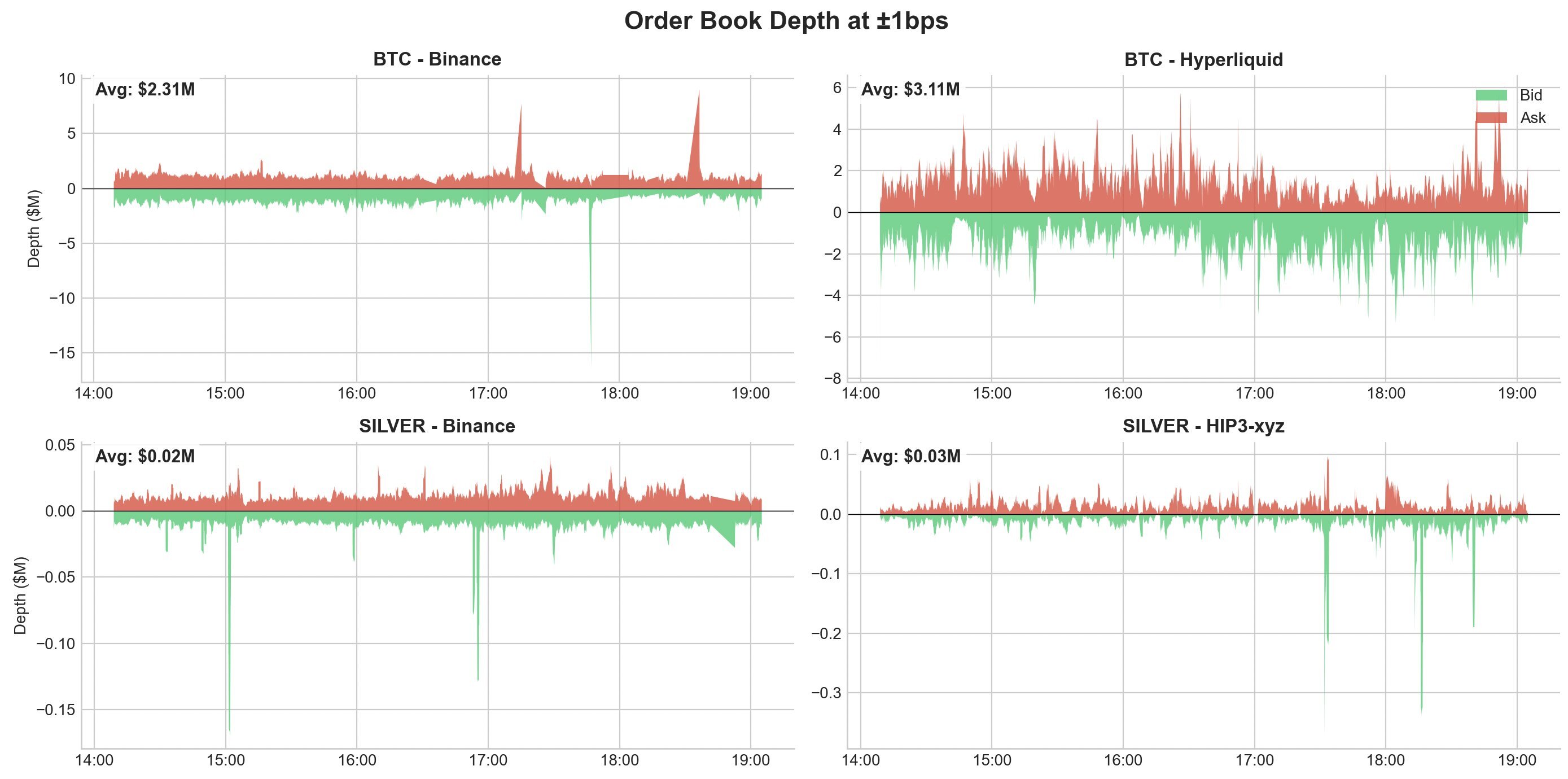
- Maker Priority (Cancellation Priority): Pioneered by venues like Hyperliquid, this model allows market makers to cancel or update their quotes ahead of incoming taker orders during fast-moving markets. By mitigating the risk of getting caught off-sides with stale quotes, LPs are incentivized to offer significantly tighter spreads under normal market conditions.
- Taker Priority (Lanes): Conversely, establishing specialized fast-lanes for urgent executions (such as liquidations or complex arbitrage) forces informed traders to identify themselves and pay higher priority fees, effectively internalizing the cost of toxicity.
2. Hiding Intent
Rather than letting users race against fast searchers, hiding intent prevents information leakage entirely.
- Private Relays and Order Flow Auctions: Systems like Flashbots and MEV Blocker on Ethereum allow users to route transactions through private RPC channels. The transaction remains encrypted or hidden from the public mempool until execution, eliminating standard sandwich attacks. However, this model introduces trust assumptions regarding the operators of the private relay.
- Encrypted Mempools: Utilizing Trusted Execution Environments (TEEs) or Fully Homomorphic Encryption (FHE), encrypted mempools ensure transaction details remain obscured until they are definitively sequenced into a block. While theoretically optimal, this architecture adds immense technical complexity and is not yet universally viable at scale.
3. Flow Segmentation
Segmenting order flow mimics traditional market maker dynamics where retail flow is handled separately from institutional execution.
- Conditional Liquidity: Frameworks developed by projects like Dflow allow frontends, wallets, and brokerages to securely tag non-toxic retail addresses. LPs can then offer these tagged wallets preferential pricing (e.g., lower swap fees), creating a virtuous cycle where retail gets better execution and wallets monetize sustainably without exposing LPs to unhedged toxic flow.
- Retail Price Improvement (RPI): Adopted by venues like Paradex and scaled across centralized derivatives platforms, RPI models display limit orders exclusively to retail user interfaces while hiding them from programmatic API access, shielding makers from algorithmic predation.
4. Dynamic Pricing
Static fee models are fundamentally flawed in volatile environments. Dynamic pricing mechanisms adjust swap fees in real-time based on prevailing market conditions.
- Volatility-Based Fees: Protocols like LFJ (Liquidity Book) automatically scale fee tiers upward during periods of rapid price movement or high volatility. This ensures LPs are adequately compensated for the heightened risk of adverse selection during market stress.
5. Refusing Flow Altogether
Rejecting the premise that liquidity must remain passively available under all circumstances, modern DeFi designs incorporate algorithmic circuit breakers.
- Just-In-Time (JIT) Liquidity & Risk Caps: Perpetual futures platforms dynamically tighten position limits, skew pricing to discourage one-sided exposure, and adjust funding rates. Similarly, JIT liquidity providers deploy capital strictly for specific, validated trades while remaining absent during toxic windows.
6. Social Coordination
Operating at the consensus layer, social coordination leverages cultural norms, community reputation, and validator accountability. Public dashboards (such as ibrl.wtf and sandwiched.me) track predatory builder behavior, allowing stakers to reallocate capital away from validators that promote extractive ordering strategies. While insufficient as a standalone defense, social coordination provides a vital baseline cultural layer.
Future Outlook
The maturation of onchain market microstructure is far from complete. As decentralized exchanges continue to battle adverse selection, the next generation of hybrid architectures—combining encrypted mempools, dynamic pricing, flow segmentation, and application-controlled execution (ACE)—will redefine institutional participation in DeFi.
Solving these nuanced challenges will not only eliminate hidden taxes on everyday traders but will also unlock massive venture-scale outcomes for the developers building the resilient financial infrastructure of tomorrow.
In the next installment of our onchain market structure series, we will examine the mechanics of bringing Real-World Assets (RWAs) onchain, analyzing the structural models, primary issuance pipelines, and path dependencies for equities, foreign exchange, credit, and commodities.