Executive Overview
Yet, as the technology expands beyond conventional financial instruments—such as U.S. Treasuries, real estate deeds, and private credit—it is encountering the bizarre, the eccentric, and the downright absurd.
Recent headlines from Brazil’s B3 stock exchange, where a local farmer successfully used ten live dairy cows as collateral for a 100,000 real ($19,600) loan via a blockchain-based holding pen, demonstrate the sheer elasticity of asset tokenization. If livestock can be virtually corralled to unlock liquidity, the obvious question follows: what can’t be tokenized?
This investigation explores the mechanics, implications, and occasional oddities of RWA tokenization. From agricultural commodities and industrial metals to human skin and flatulence, we examine ten of the strangest things ever brought onchain, analyzing the fundamental tension between blockchain’s technical capabilities and the messy, un-automatable realities of the physical world.
Detailed Chronology: Ten of the Strangest Onchain Assets
The journey of non-traditional tokenization spans the speculative heights of the 2021 NFT boom to sophisticated agricultural and industrial experiments of the present day. Here is a chronological and thematic breakdown of ten unusual assets that found their way onto public and private blockchains.
1. A Year’s Worth of Farts (2020)
During the COVID-19 pandemic lockdowns, when much of the population turned to baking sourdough or language apps, filmmaker Alex Ramírez-Mallis took a more visceral approach to isolation. He recorded his own flatulence over the course of a year, categorized the audio files by frequency and duration, and minted each one as an NFT.
Despite the obvious aesthetic hurdles, the novelty of the collection struck a chord within early crypto culture. Ramírez-Mallis successfully sold individual sound files for 0.05 ETH each—roughly $85 at the time—demonstrating early on that scarcity and novelty can temporarily override traditional definitions of value.
2. Live Cattle and Livestock Collateral (2025)
Moving from the absurd to the agrarian, Brazil’s B3 stock exchange made waves when investment fund Target FIDC structured a loan using ten real cows as collateral. Each animal was linked to an encrypted digital identity via a unique token.
While the initial transaction was modest at $19,600, it served as a vital proof of concept. The agricultural sector generated roughly $4 trillion in global value-added in 2023. By bringing livestock onchain, institutions are laying the groundwork for an estimated $80 million in livestock-backed financing, paving the way for future tokenized sheep, goats, and poultry.
3. Maturing Whiskey Barrels (Ongoing)
High-end Scotch whisky and rare spirits share a key economic characteristic with fine art: they appreciate in value as they age. Several blockchain projects have begun tokenizing entire barrels or fractional ownership of whiskey casks stored in bonded warehouses.
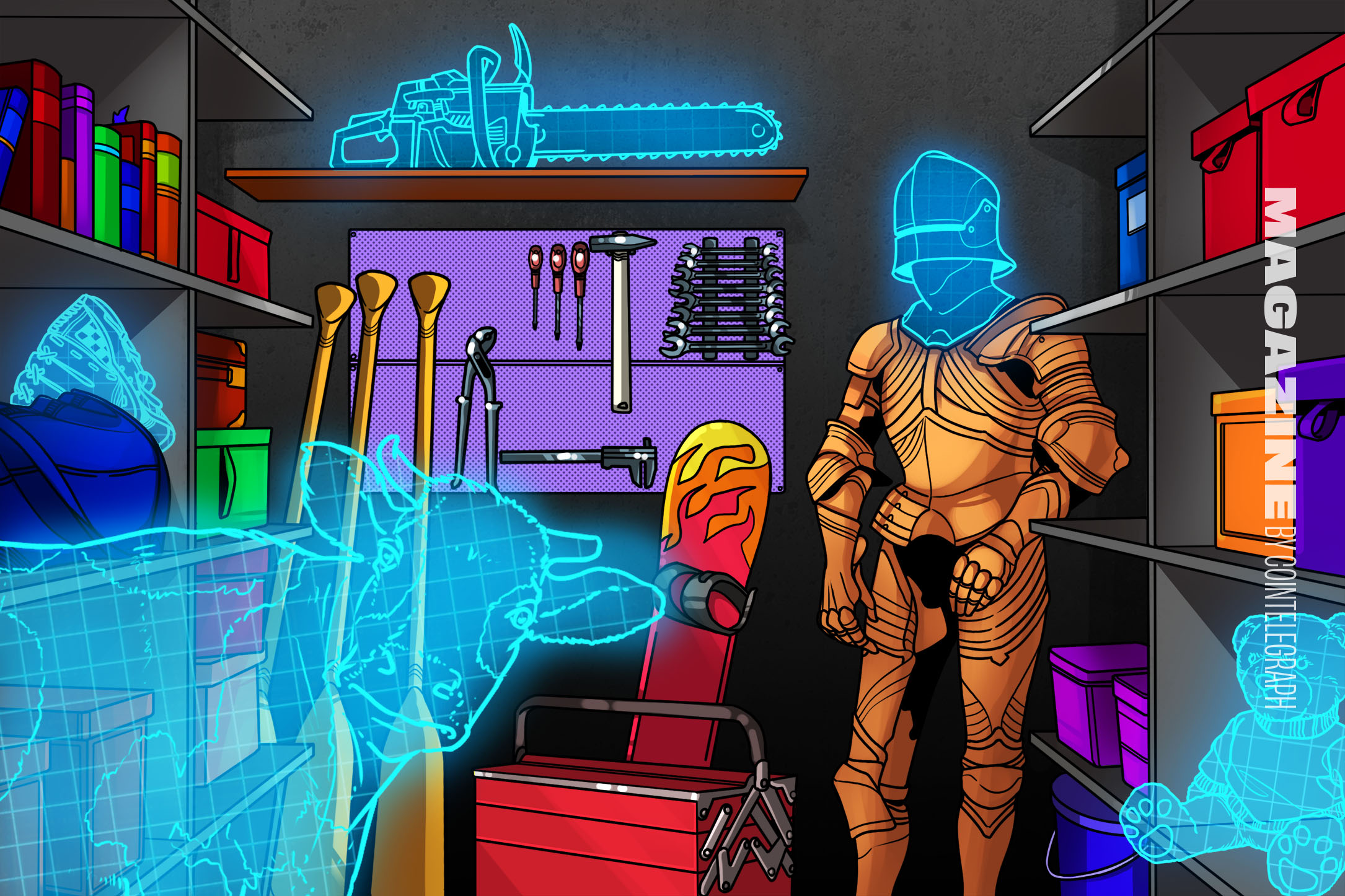
This allows everyday investors to gain exposure to luxury commodities traditionally reserved for private collectors. However, market analysts frequently issue a pragmatic warning: if the market collapses, investors are left holding a digital token, unable to physically drink a JPEG of a barrel.
4. Thoroughbred Racehorses (2025)
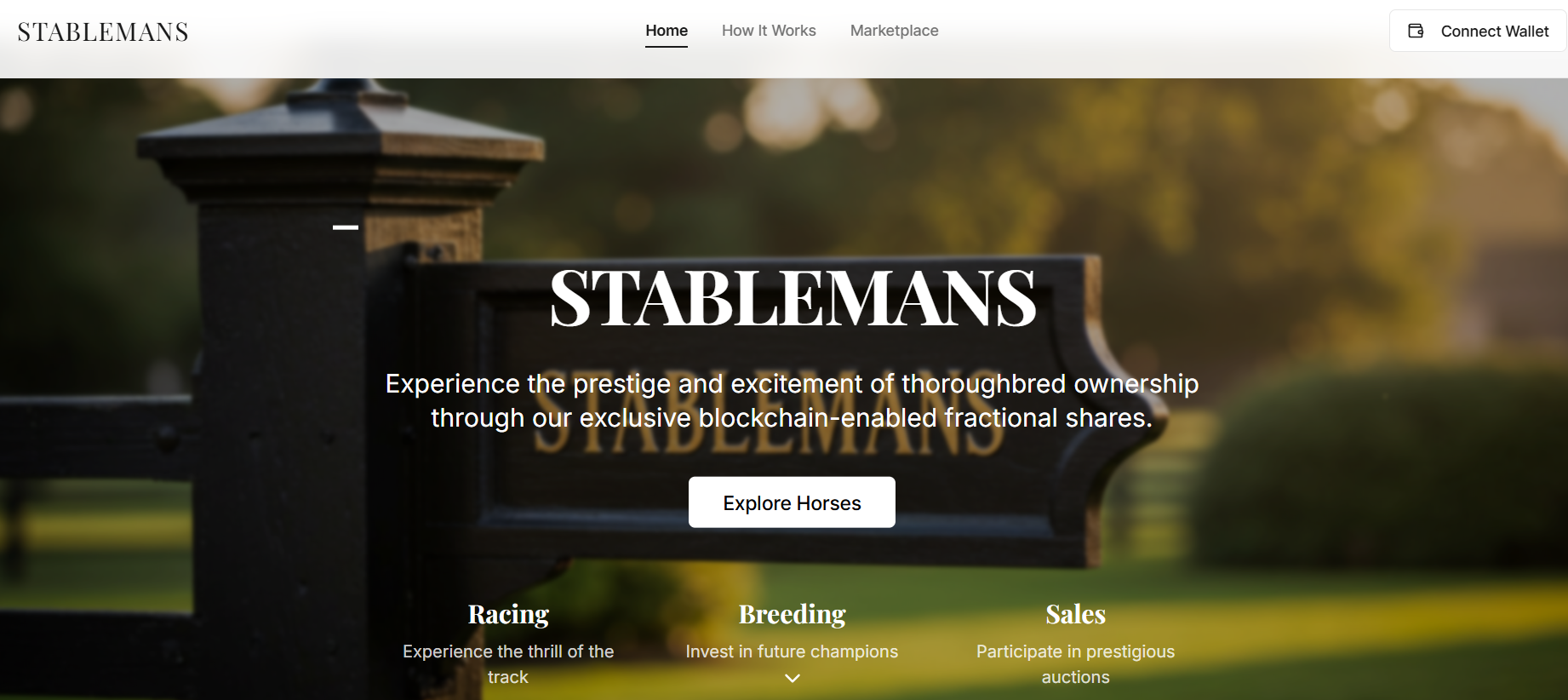
Thoroughbred racehorse ownership has historically been restricted to the ultra-wealthy, who can absorb the immense costs of breeding, veterinary care, and training. Platforms like Stablemans have begun dismantling these barriers by fractionalizing ownership of live racehorses across networks such as Cardano, Solana, Base, Polygon, and Arbitrum.
Investors can purchase digital shares tied to specific animals, entitling them to a proportionate slice of prize money, breeding income, and future sale proceeds without bearing the full weight of upkeep.
5. Industrial Uranium (2024–2026)
While most institutional tokenization efforts focus on debt instruments or fiat currencies, specialized platforms are exploring commodities with distinct supply-chain complexities. Tezos-backed metals.io has pioneered the tokenization of uranium—the radioactive metal critical for nuclear energy production.
According to Tezos co-founder Arthur Breitman, blockchain rails offer auditable and cost-efficient settlement layers well-suited for "technology-flavored commodities." Between November 2024 and July 2026, trading volumes for these tokenized industrial assets reached $21.5 million across approximately 18,200 trades and 7,400 unique wallets, though institutional participation remains cautious.
6. Fish-Processing Revenue Streams (Proposed)
Tokenization platform Brickken once evaluated a proposal from a Chilean fish-processing company looking to issue revenue-linked debt. The token represented a contractual lender claim, with interest payments automatically adjusting based on verified sales performance of the company’s seafood.
Ultimately, the fish never made it onchain. The underlying sales data still required traditional audits, commercial reporting, and legal frameworks that could not be fully automated. The case underscored a recurring theme in RWA development: the bottleneck is rarely the blockchain; it is the friction of the real world.
7. Music Royalties and Streaming Rights (2021–2022)
The tokenization of intellectual property saw a major push during the 2021 NFT boom. DJ and producer 3LAU launched the blockchain platform Royal, allowing fans to purchase up to 50% of the streaming rights to his single "Worst Case." Rapper Nas followed suit in 2022, utilizing Royal to sell streaming royalty rights for tracks like "Ultra Black" and "Rare."
While the concept gained significant traction, tokenized music royalties have struggled to become a mainstream asset class, largely due to the microscopic payout structures of modern streaming platforms.
8. Human Skin Advertising Space (2021)
Pushing the boundaries of personal sponsorship, Croatian tennis player Oleksandra Oliynykova auctioned the advertising rights to a 15-by-18-centimeter patch of skin on her right arm as an NFT.
The winning bidder paid 3 Ether (approximately $5,400 at the time) for the right to choose a tattoo or temporary design displayed during professional tournaments for a year. While athletes have long commercialized apparel and equipment, Oliynykova’s experiment literalized the concept of having "skin in the game."
9. A Incinerated Banksy Print (2021)
In a provocative statement on the nature of value, a group calling itself "Burnt Banksy" purchased an authentic Banksy print titled Morons (White) for approximately $95,000. They livestreamed the physical destruction of the artwork by fire, subsequently minting an NFT of the event.
The rationale was that while the physical object was destroyed, its economic essence and ownership lineage would live on permanently via the blockchain. The resulting NFT later sold for roughly $382,000, netting a 300% profit from an intentional act of destruction and sparking intense debate over asset preservation.
10. The First-Ever Tweet (2021–2022)
Twitter co-founder Jack Dorsey tokenized his inaugural tweet—"just setting up my twttr"—and sold it as an NFT to entrepreneur Sina Estavi for $2.9 million. The sale became an iconic symbol of the era’s speculative fervor.
However, the liquidity limits of niche digital assets were exposed a year later when Estavi attempted to resell the token for $48 million. The highest bids failed to clear $7,000, illustrating that ownership of a blockchain certificate does not inherently guarantee enduring secondary-market demand.
Supporting Context & Metrics
To understand the broader trajectory of real-world asset tokenization, one must examine the underlying market mechanics and the constraints identified by industry participants.
The global agricultural market, highlighted by the Brazilian cattle initiative, represents a multi-trillion-dollar pool of potential collateral. Similarly, industrial commodities like uranium and precious metals operate in tightly regulated supply chains where transparency is paramount.
However, industry experts caution against treating tokenization as a silver bullet for illiquid markets. Chris Turner, co-founder of impact investment firm KULA, notes:
"Putting a collectible or luxury item on a blockchain doesn’t automatically make it more liquid or valuable if the legal rights, transfer process, and market structure remain unchanged."
This sentiment is echoed by Edwin Mata, CEO of Brickken, who observed during the aborted fish-processing project that administrative friction often outweighs technological capability:
"Almost any cash flow can support a tokenized financial instrument, provided the underlying rights and data can be independently verified. Tokenization can improve access, administration, settlement, and transferability, but it cannot transform a poor investment into a good one."
Official Statements & Industry Perspectives
The friction between institutional caution and technological enthusiasm defines the current RWA landscape.
Arthur Breitman, co-founder of Tezos, points out that while blockchain architectures provide exceptional financial rails for auditable assets, institutional players remain hesitant:
"Blockchain technology excels at building reliable, auditable, and cost-efficient financial rails for any asset… [though] institutional players have shown interest but are still shy about tokenized rails."
This hesitation stems from regulatory uncertainty, jurisdictional ambiguities surrounding physical asset seizure, and the challenge of oracle reliability—ensuring that digital tokens accurately reflect the physical reality, health, and location of underlying collateral, whether that collateral is a bar of uranium, a barrel of whiskey, or a herd of cattle in southern Brazil.
Future Outlook
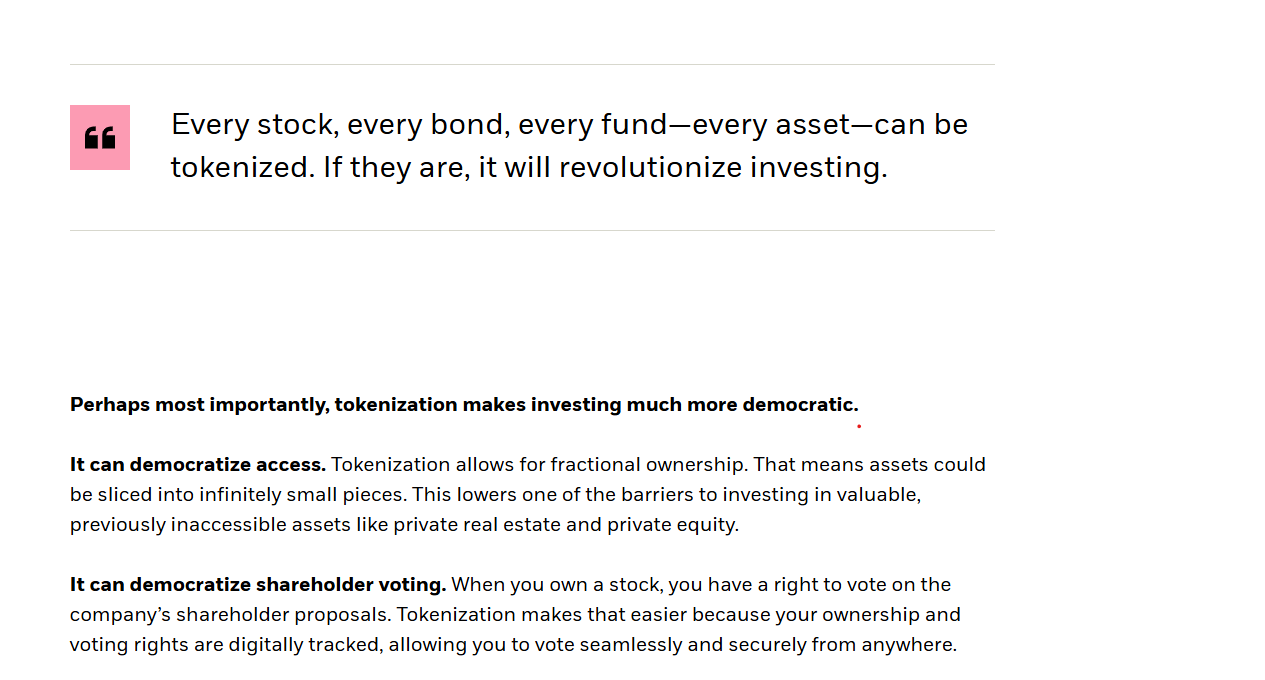
The evolution of RWA tokenization is moving past the experimental novelty phase characterized by digital farts, burned art prints, and celebrity tweets. While those early experiments captured public attention and tested the limits of smart contracts, the sector’s long-term viability rests on foundational economic utilities.
As demonstrated by the B3 stock exchange’s livestock-collateralized loans, the true promise of tokenization lies in unlocking dormant capital within traditional industries. By bridging the gap between decentralized ledgers and physical collateral, tokenization can lower borrowing costs, expand access to credit for underserved sectors like agriculture, and streamline complex multi-party settlements.
Nevertheless, the future success of tokenized assets will depend on legal harmonization. Until smart contracts can seamlessly interface with property law, cross-border jurisdictions, and physical audits, the biggest obstacle to tokenization will remain where it has always been: in the physical world.